

Asheville Elopement Planning Guide
Asheville Elopement Guide
Practical advice for choosing a season, finding the right mountain location, understanding permits, avoiding crowds, and planning an elopement in Asheville and Western North Carolina.
Start Here
Dreaming of an Asheville elopement but not sure where to start?
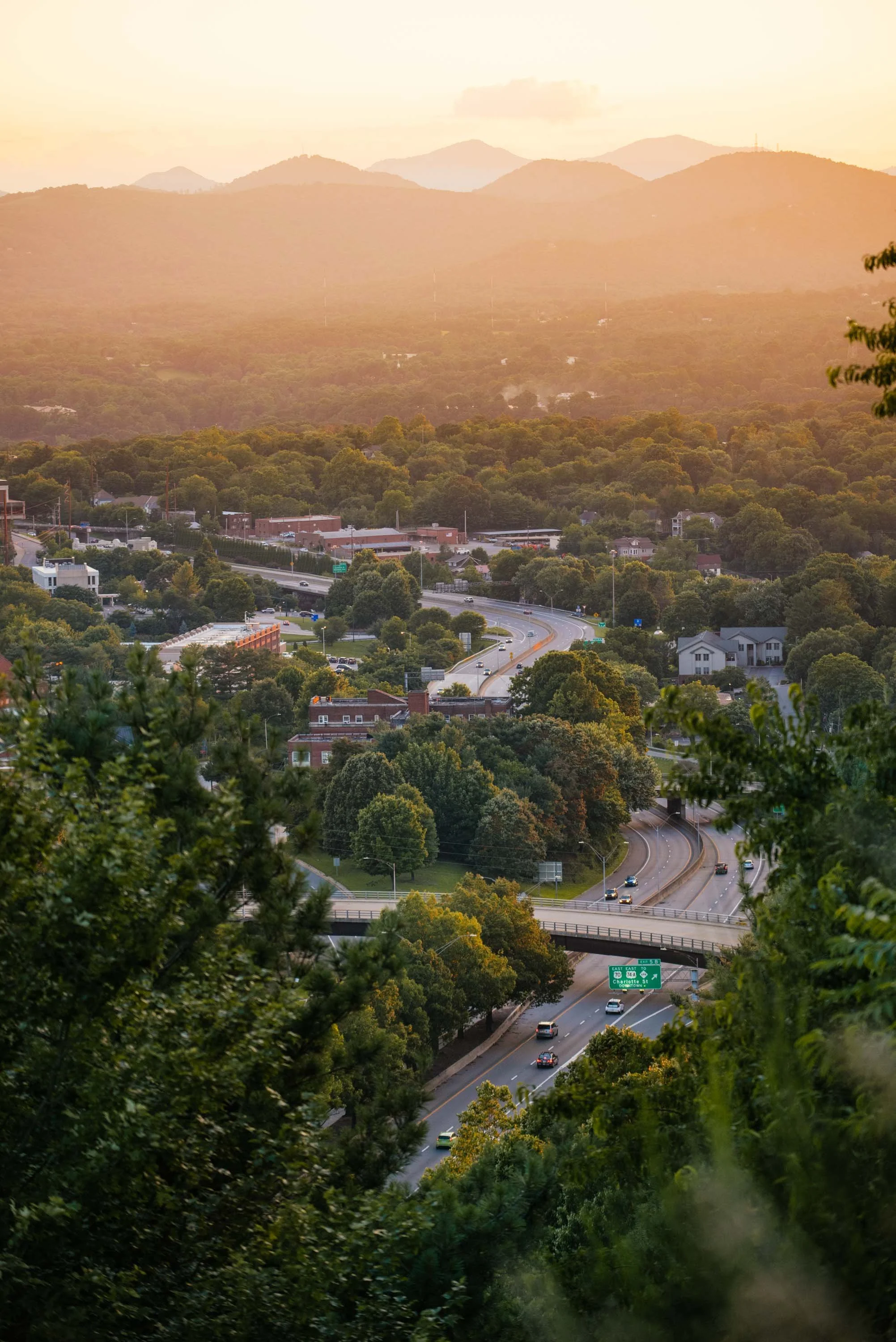
North Carolina offers an incredible mix of mountain overlooks, forests, waterfalls, historic cities, and small towns for couples planning an elopement or intimate wedding.
Asheville makes a particularly good starting point. You can spend time downtown, enjoy some genuinely great food, and still reach many of Western North Carolina’s most scenic outdoor areas.
Once you know this is where you want to celebrate, the next decisions are usually where to go, what season makes sense, and what you need to know about marriage licenses, permits, weather, and mountain logistics.
This guide will help you work through it.
Why Asheville?
Mountains, good food, and plenty to build a trip around
In January 2025, The New York Times included Asheville among its 52 Places to Go, placing it in the top 20. And for good reason.
Asheville is one of the best East Coast home bases for an elopement or small wedding. It is an outdoor recreation hub for Western North Carolina, with easy access to mountain overlooks, waterfalls, forests, and hiking trails.
The city also has a food scene worth building into the trip. The 2025 James Beard semifinalist list included William Dissen of The Market Place, Leo’s House of Thirst, Neng Jr.’s, and Ashleigh Shanti of Good Hot Fish.
For something more casual, there are classic Asheville spots like Lazy Diamond and Double Crown, cocktails at Little Jumbo and Crow & Quill, and breweries including Burial, TRVE, DSSOLVR, Highland Brewing, New Belgium, and Sierra Nevada.
Add in live music, galleries, history, and local arts and culture, and Asheville gives you plenty to explore before or after the mountain part of your wedding day.
Asheville works because the city and the mountains can both be part of the same celebration.
Choosing Your Season
When to elope in Asheville
There is not one best month for an Asheville elopement. The right season depends on the temperatures you enjoy, how much privacy you want, road access, available daylight, and the kind of mountain landscape you want around you. My personal sweet spots are mid-April through June and September through October, but every season has a good case for it.
Late March–Early June
Spring
elopements
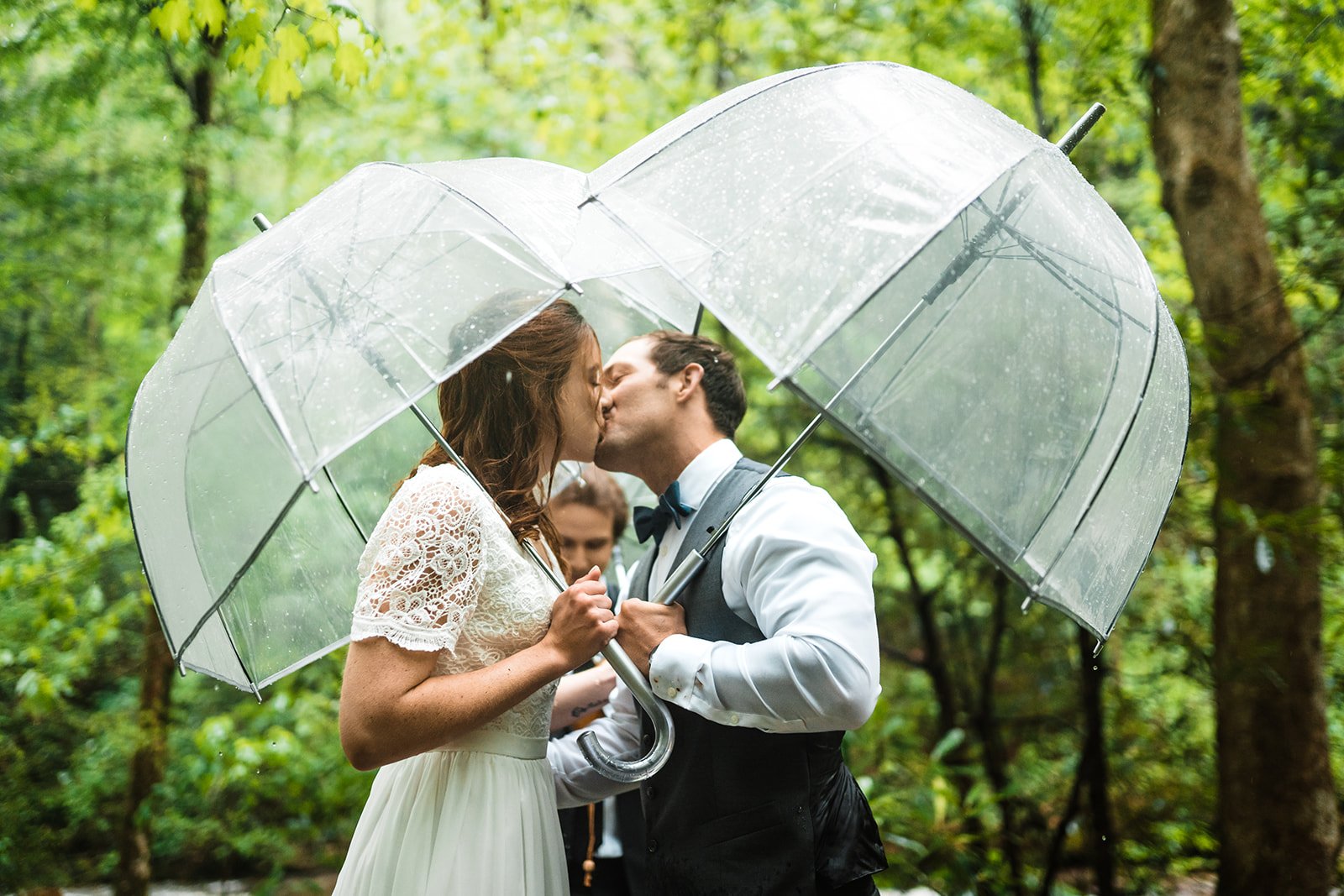
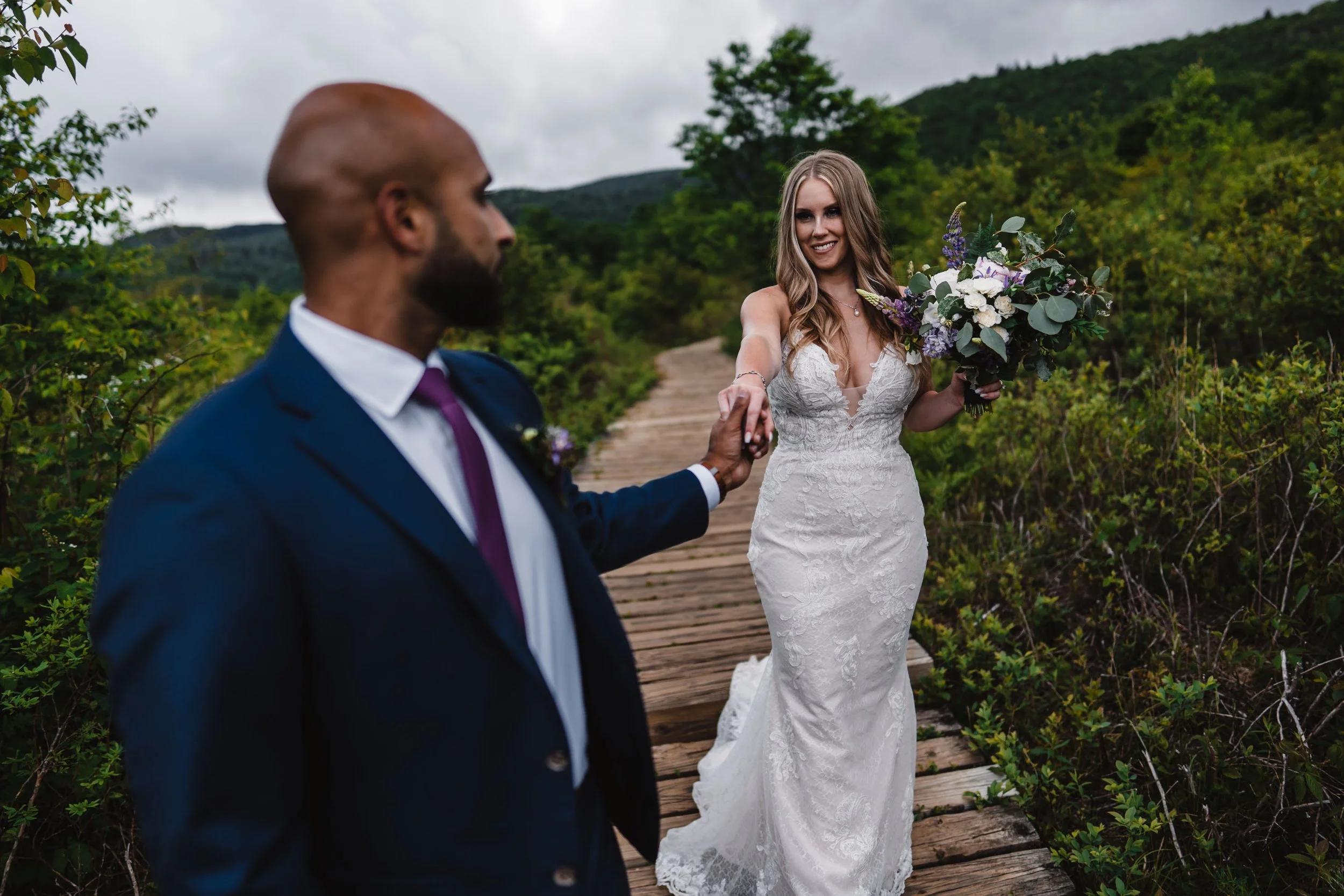
Spring arrives in layers. Asheville may already be green while higher mountain elevations are still bare or just beginning to wake up. Mild temperatures, wildflowers, fresh foliage, and lighter trail traffic make this a great season for exploring.
Rain and quick weather changes are part of the equation, so bring umbrellas and leave room for a location or timeline pivot.
June–Early September
Summer
elopements
Summer brings long daylight hours, lush forests, flowing waterfalls, and plenty of ways to build an outdoor activity into your wedding day. Higher elevations are often the most comfortable choice when Asheville is feeling hot and humid.
Sunrise or sunset timing can help with the heat, while a flexible schedule gives us room to work around passing afternoon storms.
Mid-September–Early November
Fall
elopements
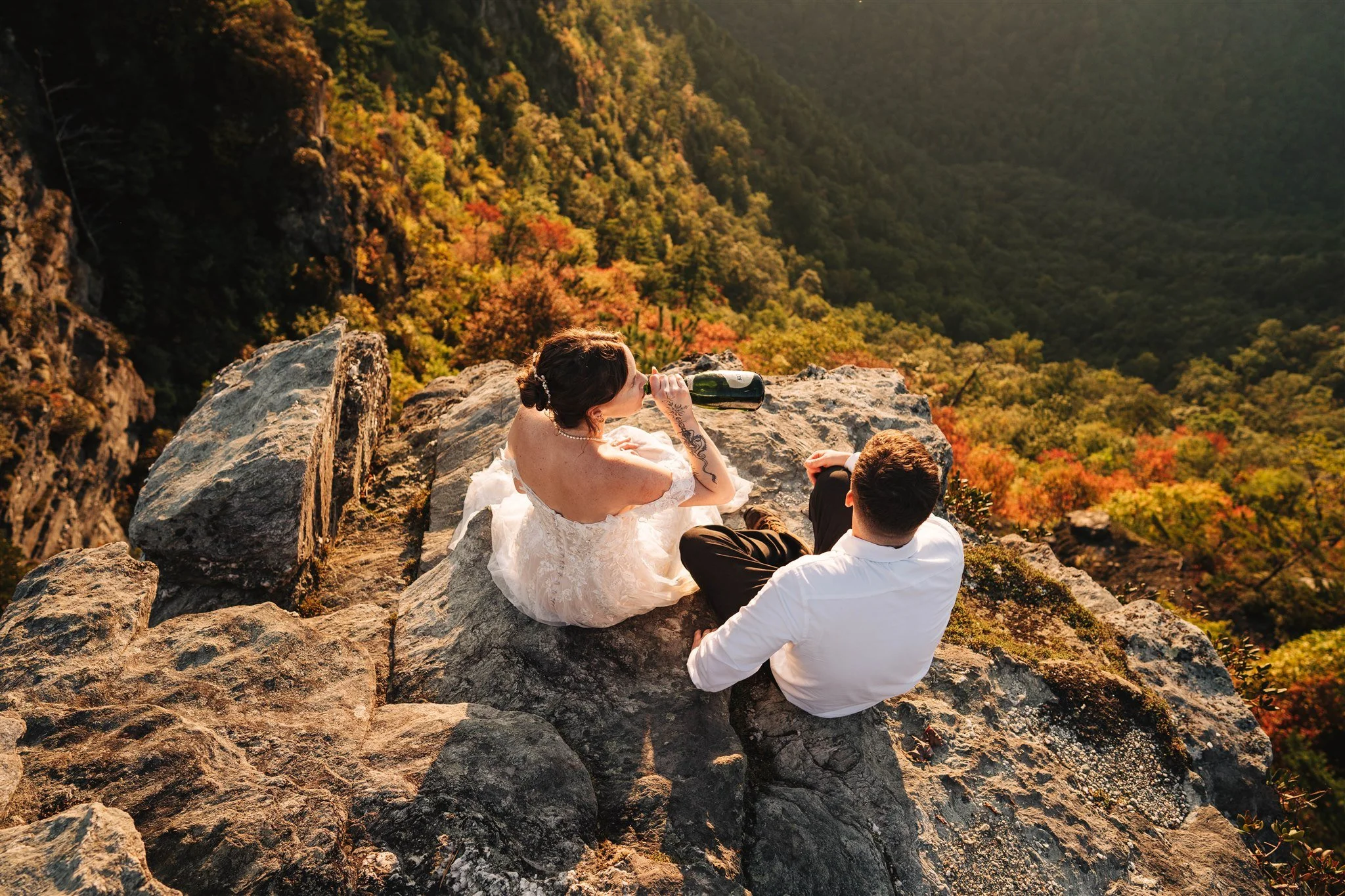
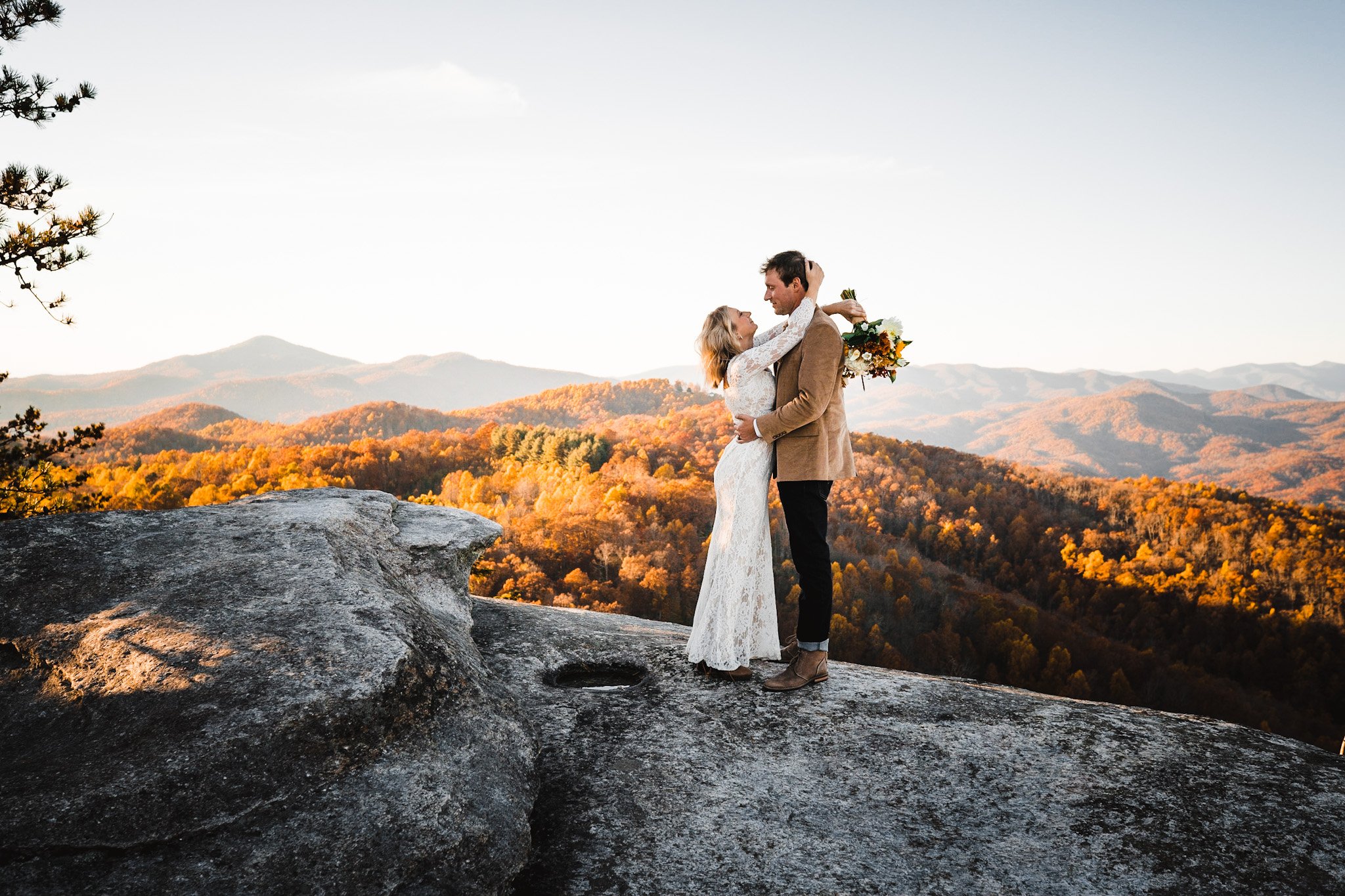
Fall offers crisp air, comfortable hiking temperatures, and the changing color Western North Carolina is known for. The timing of peak foliage moves across the region by elevation, so there is not one guaranteed peak weekend for every location.
This is also Asheville’s busiest season. Weekdays, sunrise plans, and less obvious mountain locations can make the experience feel much calmer.

November–Early March
Winter
elopements
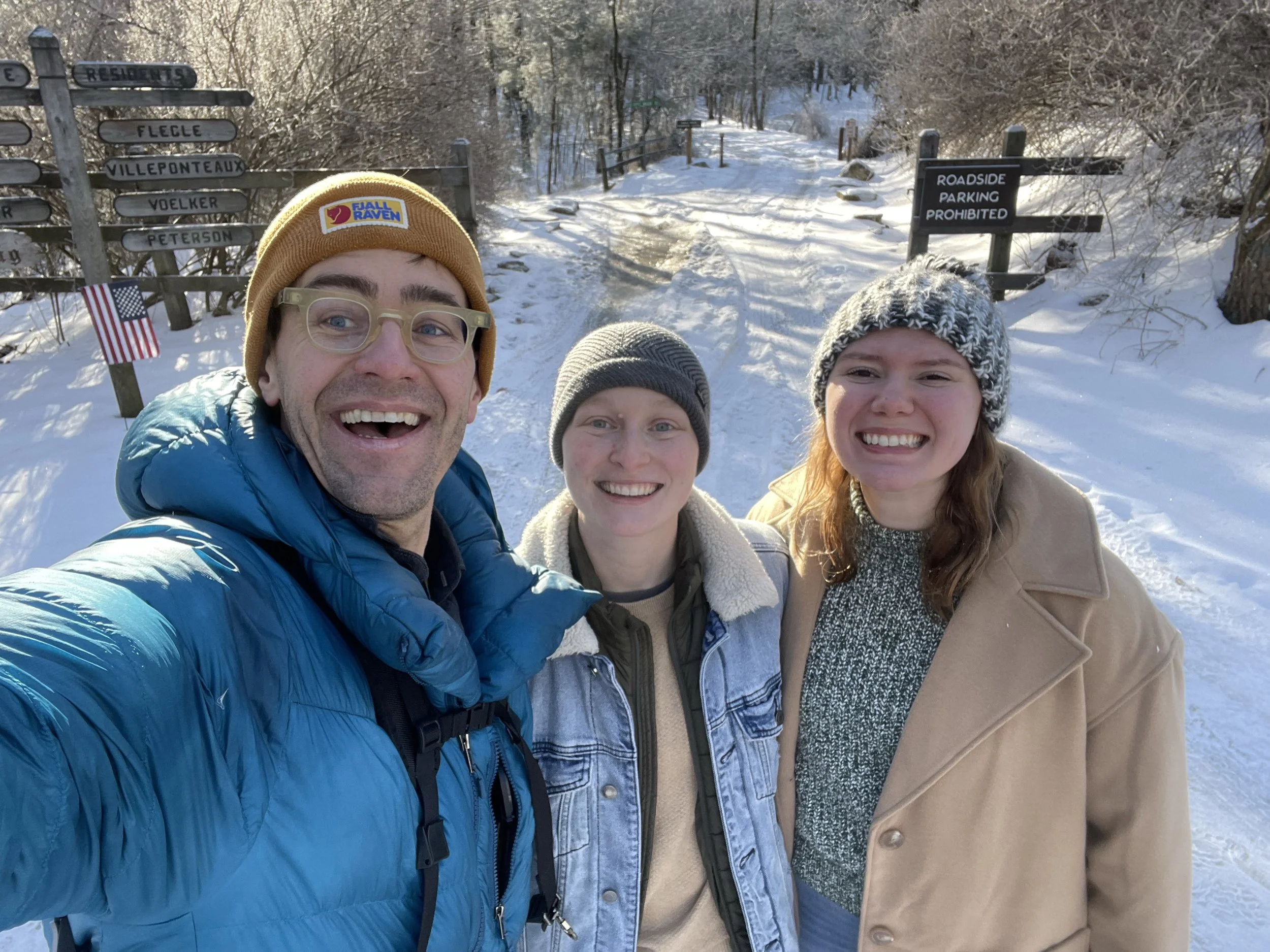
Winter is the quietest season in the mountains. Bare ridgelines, muted landscapes, occasional snow, and fewer visitors can create a private and completely different Asheville elopement experience.
Short daylight hours, ice, and changing road access require a more flexible location plan. Warm layers, a dependable backup, and a cozy cabin or dinner afterward can make winter especially good.
Choosing a Location
Start with the kind of setting you want
Western North Carolina offers several very different kinds of elopement locations. Instead of choosing the most recognizable view first, think about access, privacy, guest comfort, scenery, and how you want the day to feel.
Blue Ridge Parkway overlooks
Best considered for portraits, an accessible scenic stop, or a backup option rather than the main ceremony. Public traffic and limited privacy are difficult to predict.
Pisgah forests and trails
A strong fit for waterfalls, wooded trails, rocky landscapes, and couples who want the hike or exploration to be part of the day.
Linville Gorge and areas north
More dramatic terrain and rugged overlooks, often with longer drives, steeper trails, and fewer convenient services nearby.
Waterfalls and forest settings
Quieter, more enclosed scenery that can feel intimate even without a huge view, especially for morning ceremonies or private vows.
Private properties and rentals
More control over guests, timing, parking, and privacy, with the option to add a separate mountain adventure elsewhere.
Finding a Quieter Experience
A few simple ways to avoid the biggest crowds
Public mountain locations cannot be reserved for complete privacy, but timing, location choice, and guest count can make a meaningful difference.
Choose a weekday
Monday through Thursday generally offers lighter trail, parking, and overlook traffic than weekends.
Look beyond the obvious overlook
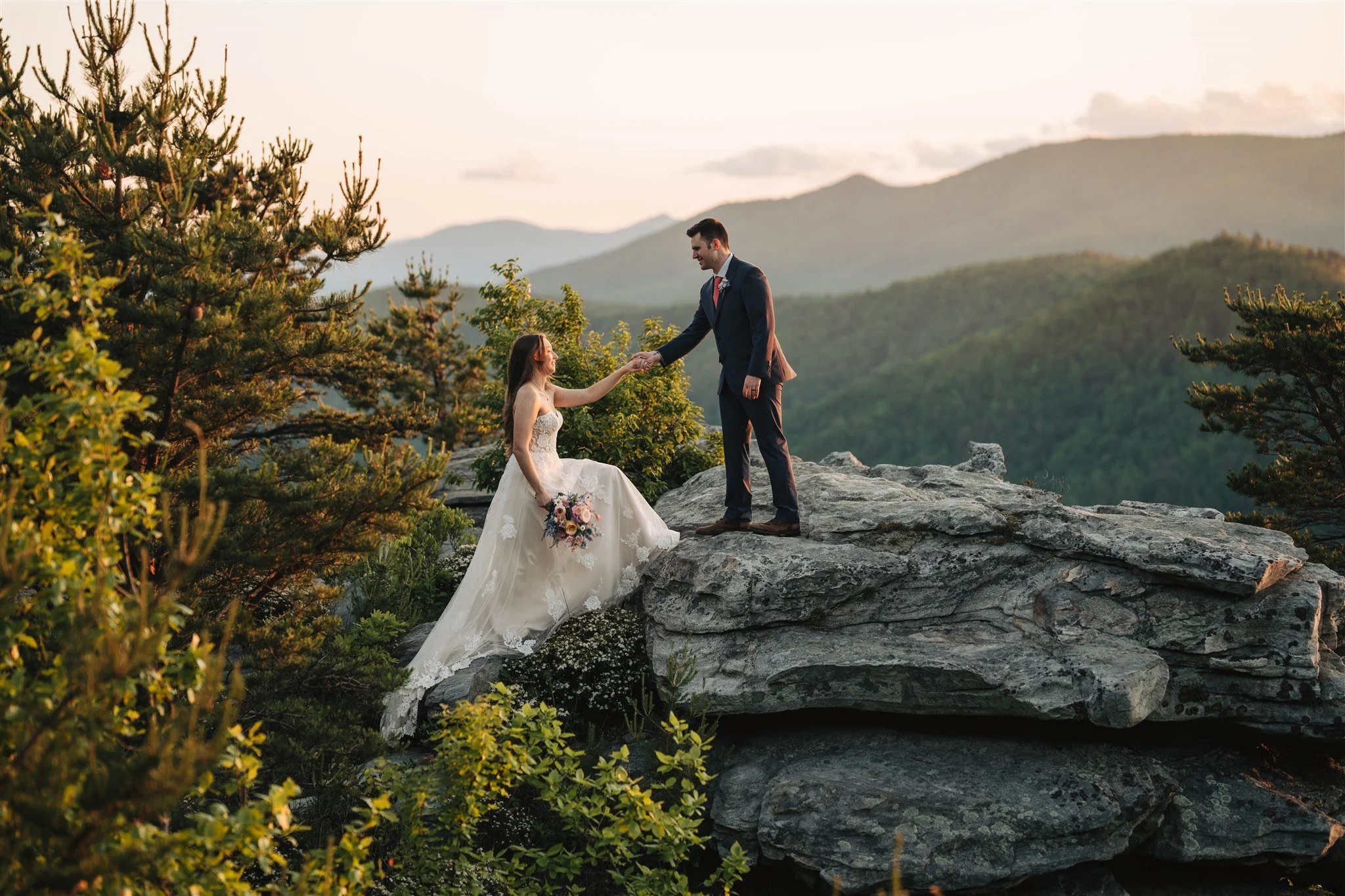
A less recognizable location can still offer beautiful scenery without concentrating everyone in the same small area.
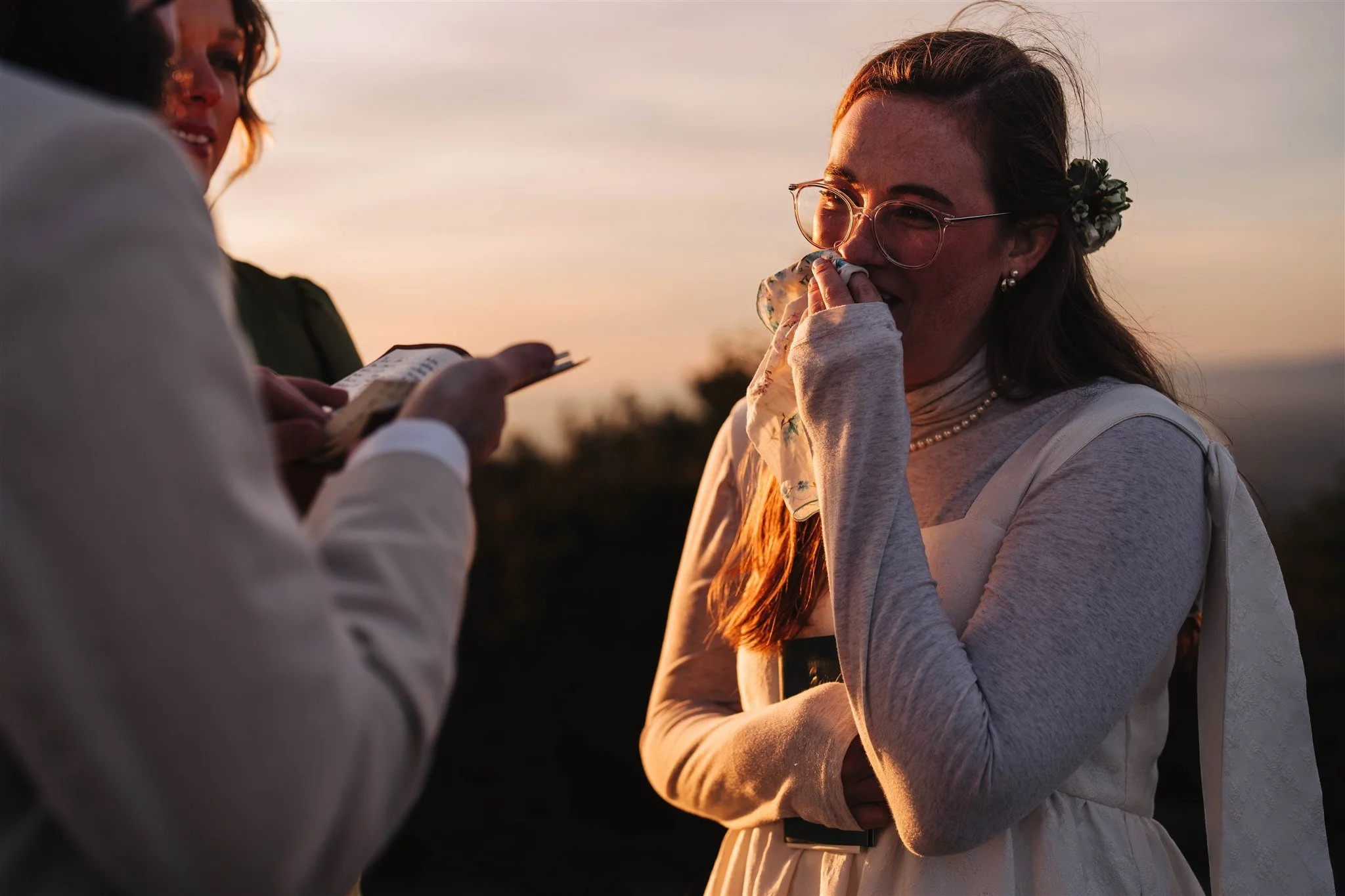
Consider sunrise
Early ceremonies often mean easier parking, fewer visitors, cooler temperatures, and softer light.
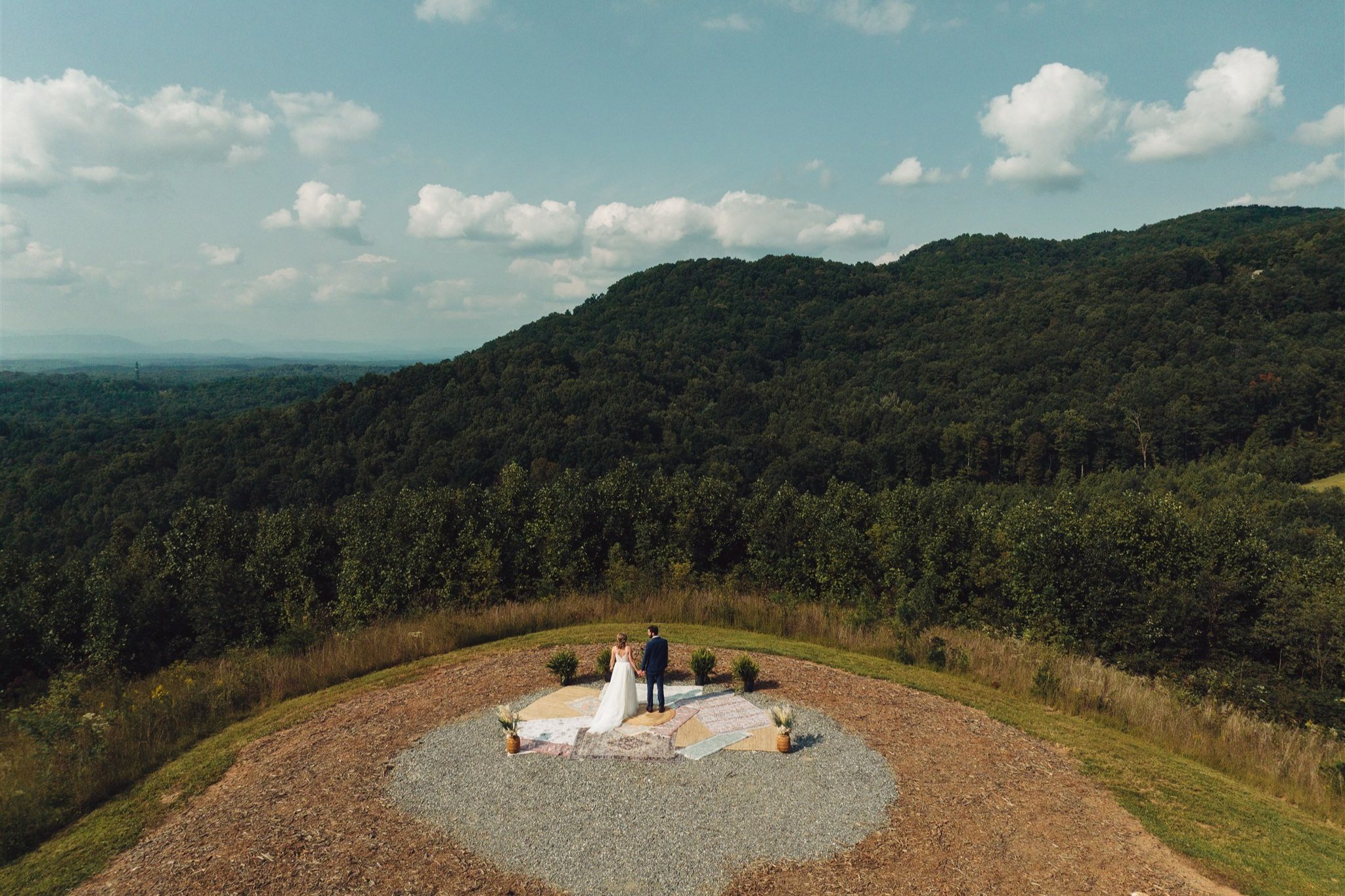
Consider private land
A rental, venue, or privately managed property may offer more control over access, guests, and ceremony timing.
Where to Stay
Choose lodging around the shape of your day
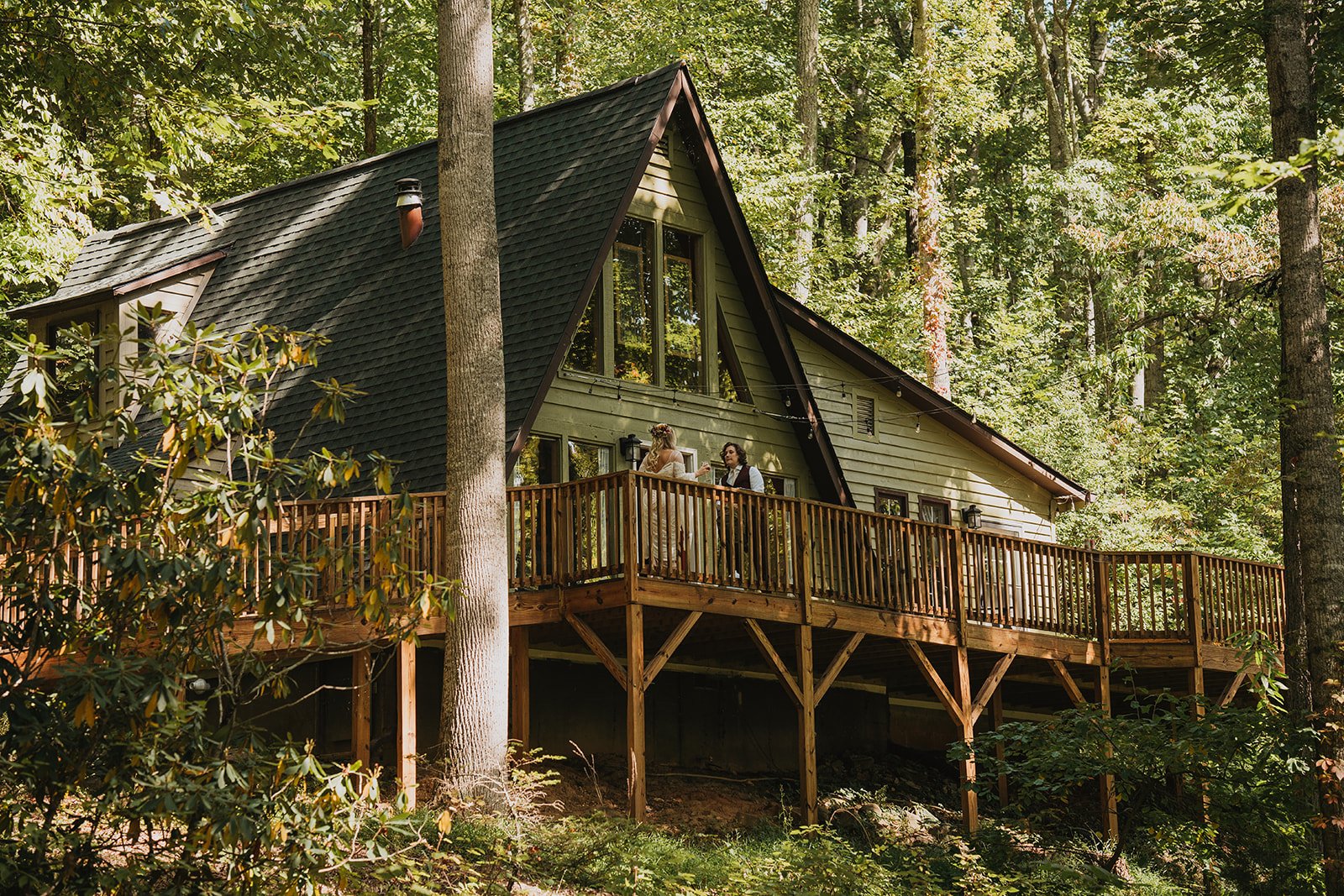
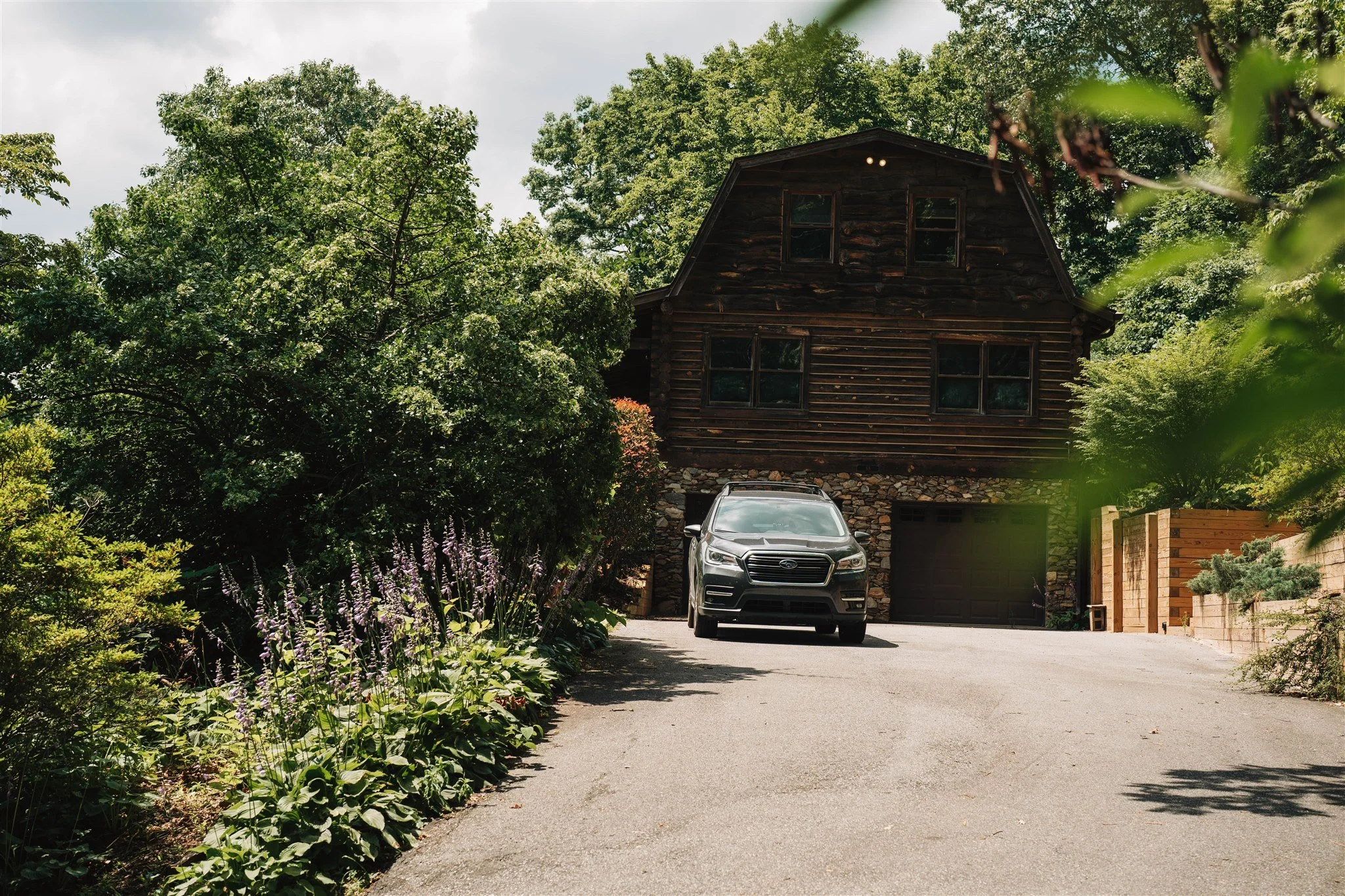
The best place to stay is not always the closest option on a map. Think about where you are getting ready, who is joining you, and how much driving you want between the ceremony, portraits, and dinner.
Asheville offers downtown hotels, smaller boutique properties, mountain cabins, and larger rentals for groups. Each works well for a different kind of celebration.
Blue Ridge Parkway Permits
Confirm the permit before building the rest of the plan
Weddings, elopements, and vow exchanges at approved Blue Ridge Parkway locations require a Special Use Permit.
Check that the location is currently approved, open, and reachable before applying or paying the fee. A permit authorizes the ceremony, but it does not reserve the area or guarantee road access.
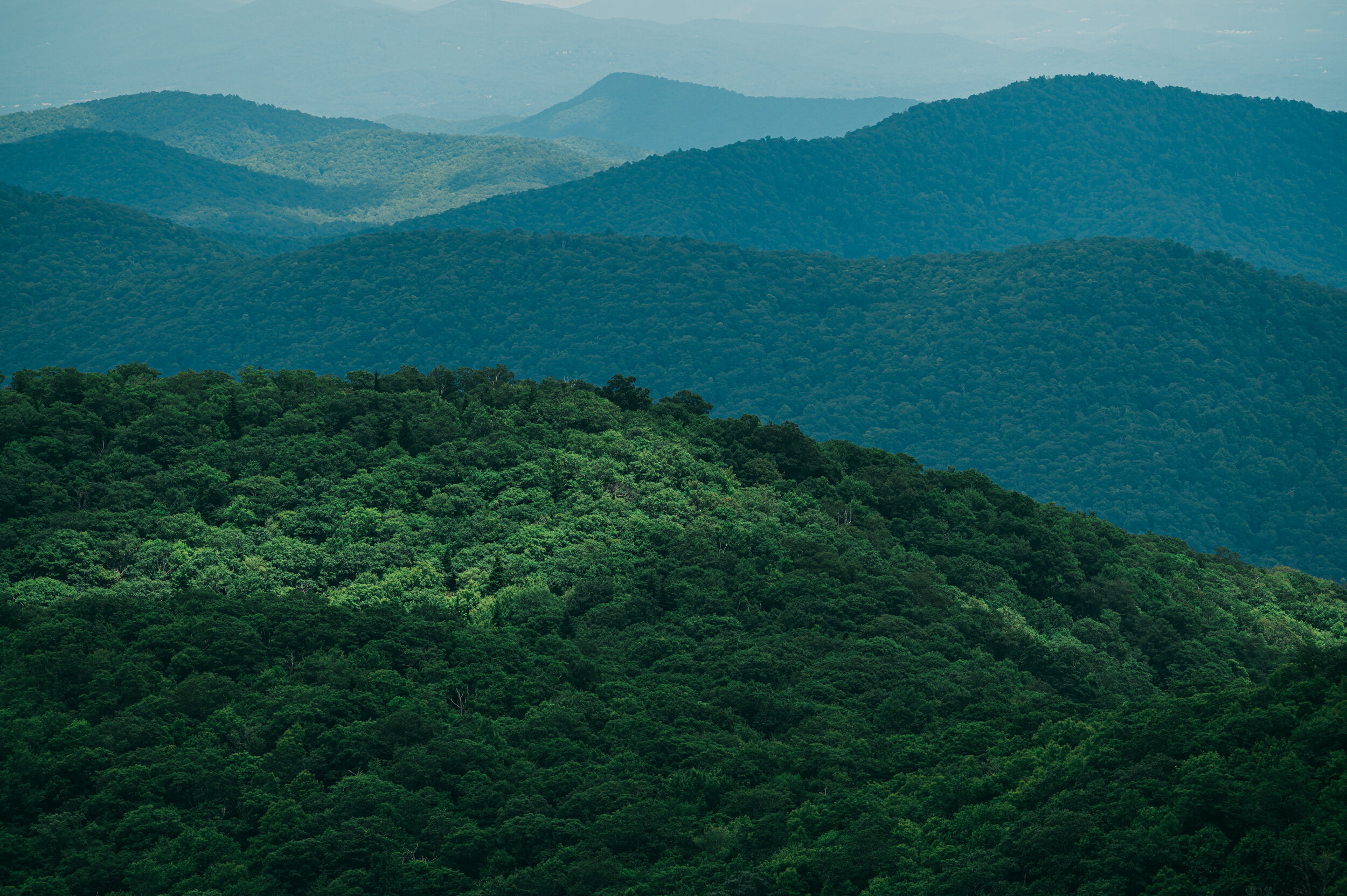
North Carolina Marriage License
The essentials before your ceremony
Both partners apply through a North Carolina Register of Deeds office. Requirements can vary slightly by county, so confirm the details before your trip.
Beyond the Ceremony
Build the rest of the day around things you actually enjoy
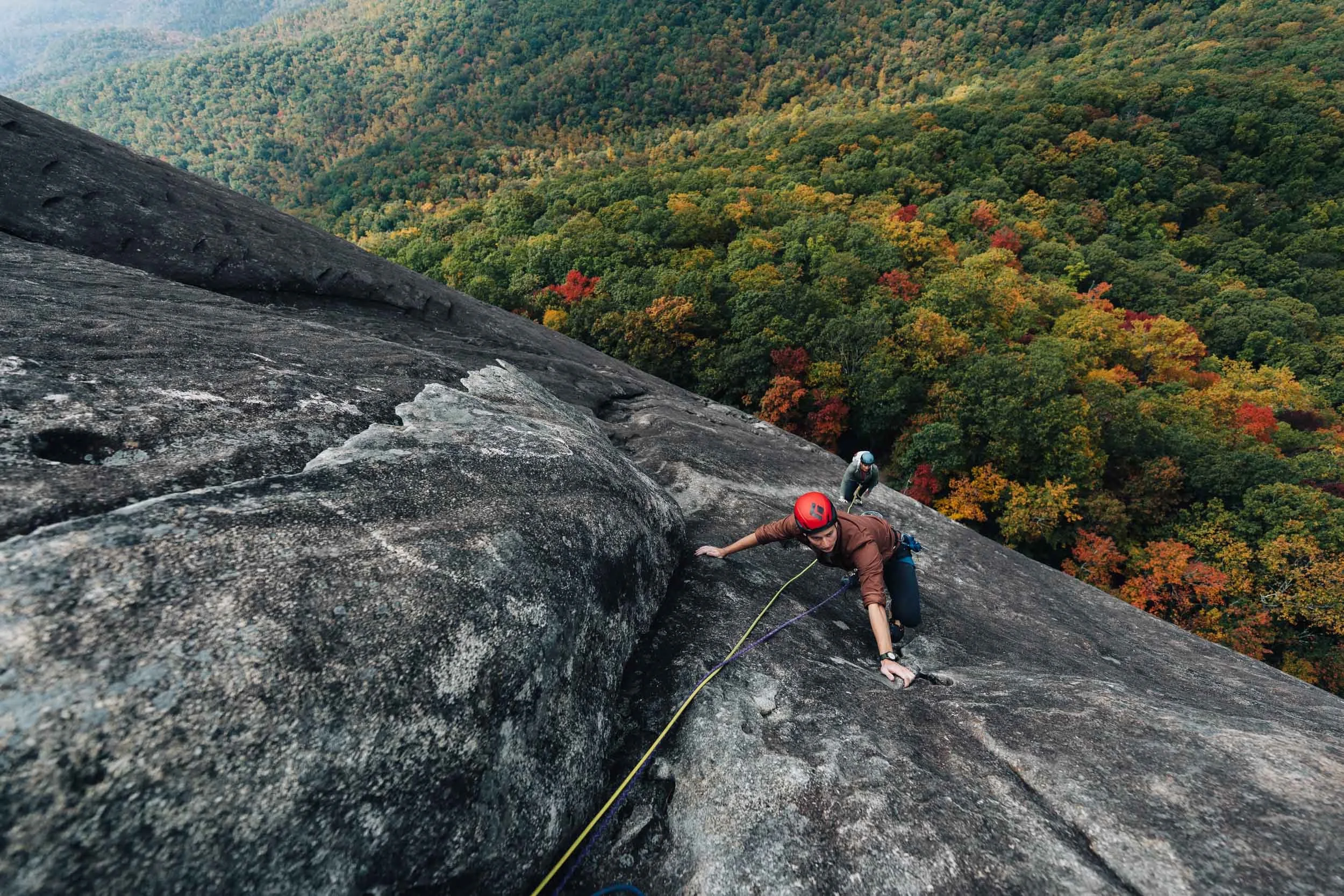
The ceremony may only take fifteen or twenty minutes. Everything around it can feel like a real day together: hiking, climbing, eating something good, sitting beside a fire, or simply slowing down somewhere beautiful. A good adventure elopement does not need to be packed with activities. One or two things you genuinely enjoy are usually enough.
01 · Move
Explore outside together
Choose something that matches your real comfort level. Adventure can mean a long climb, but it can just as easily mean a relaxed trail, a paddle, or a waterfall stop.
- Hike or backpack
- Rock climb or boulder
- Kayak, canoe, or paddleboard
- Visit a waterfall or swimming hole
02 · Slow Down
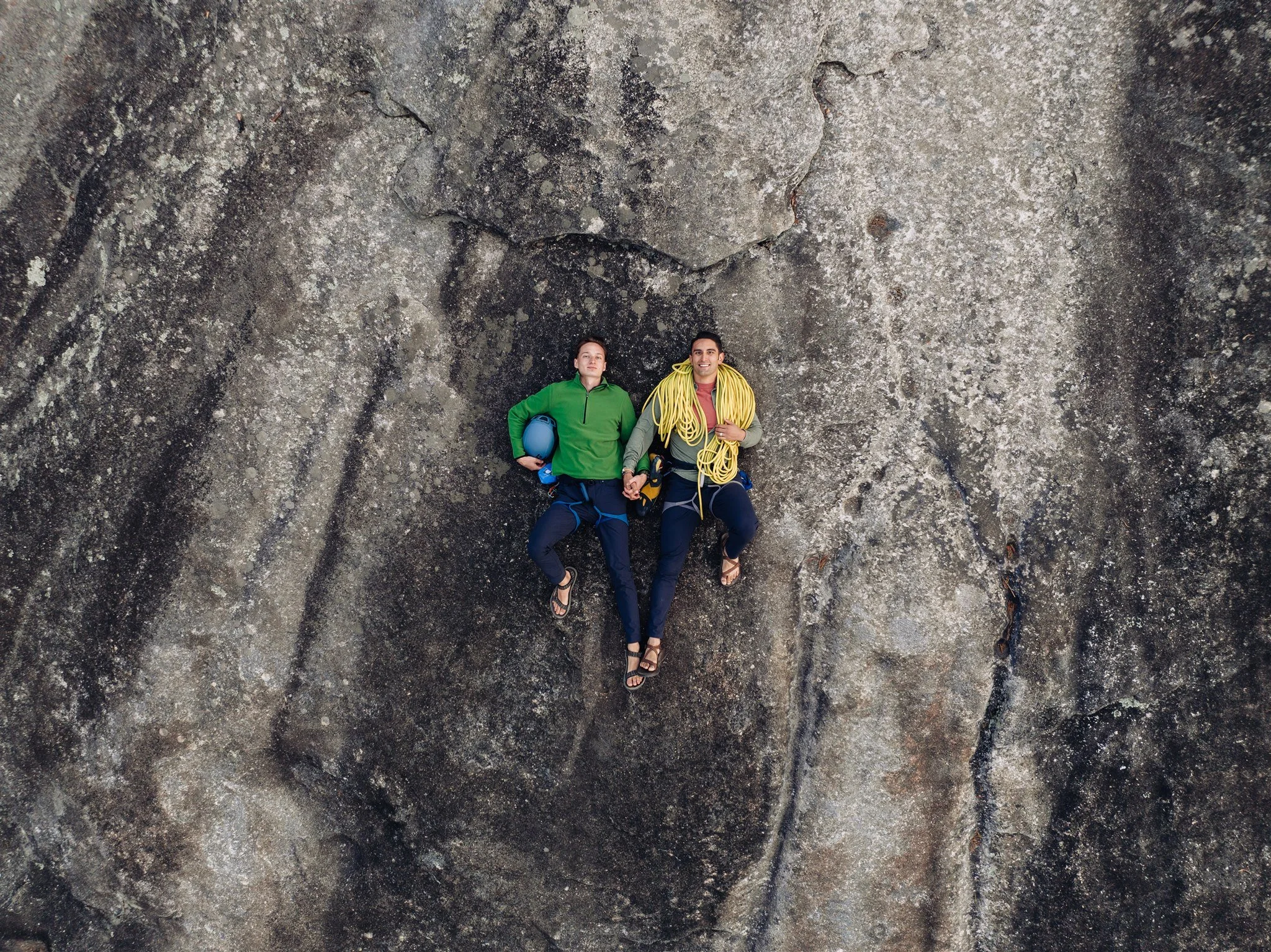
Leave room to do very little
Not every part of the day needs to be productive or photographed. Quiet stretches give you time to settle in, talk, rest, and notice where you are.
- Watch sunrise or sunset
- Hang a hammock
- Book a massage or spa visit
- Rest beside a lake or river

03 · Eat
Make food part of the experience
Food can be a practical refuel, a full celebration, or both. Choose something that works with your timeline instead of forcing the whole day around a restaurant reservation.
- Pack a mountain picnic
- Hire a private chef
- Plan a brewery stop
- End with dinner in Asheville
04 · Stay Out
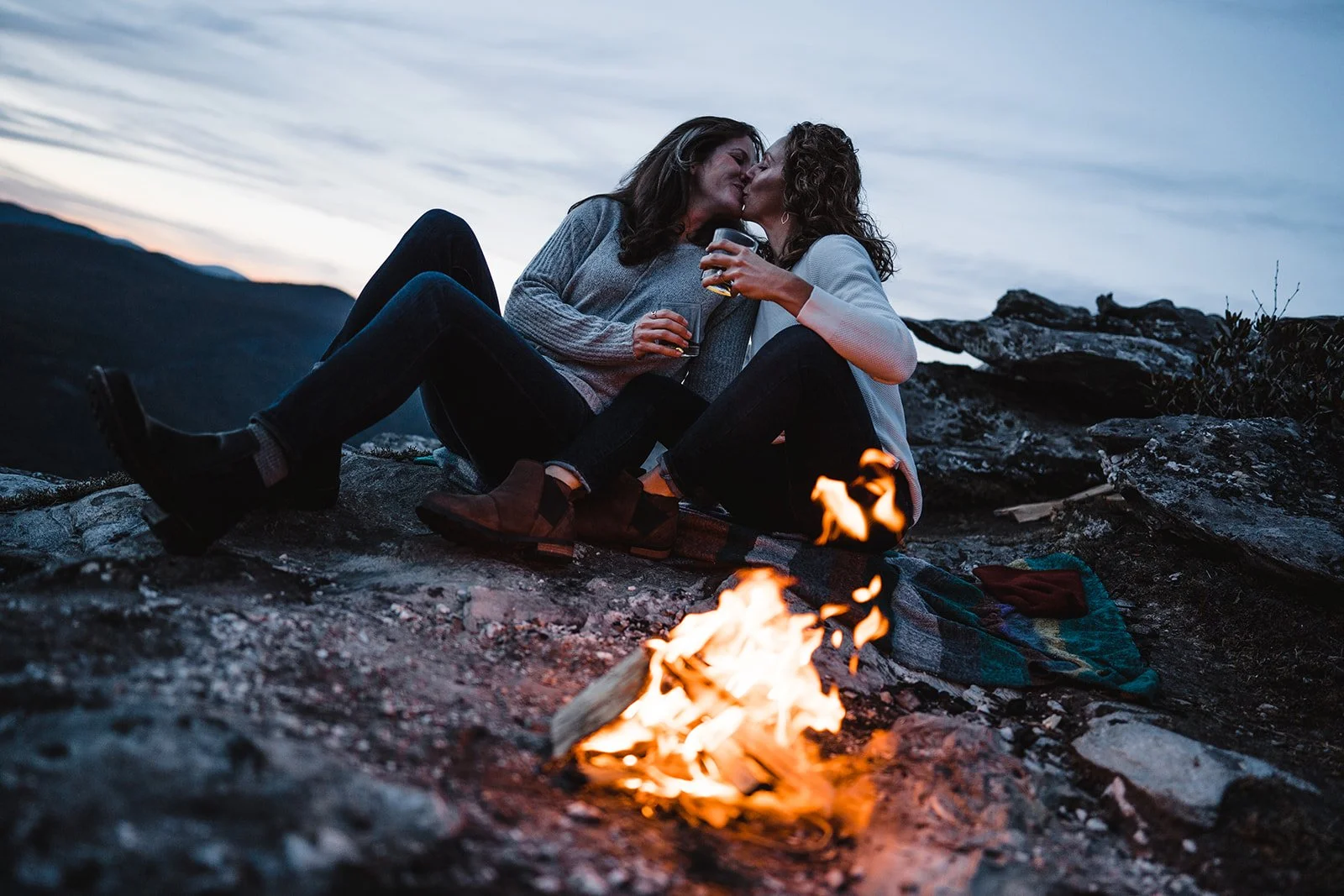
Let the day continue after sunset
Sunset does not have to be the finish line. A fire, lanterns, favorite drinks, or a clear night sky can give the end of the day its own slower rhythm.
- Build a small campfire where permitted
- Make s’mores
- Bring lanterns or headlamps
- Stay for stargazing
What to Wear
Dress for the celebration and the landscape
Mountain wedding clothes do not need to look outdoorsy, but they should let you move, sit, walk, and stay comfortable as conditions change.
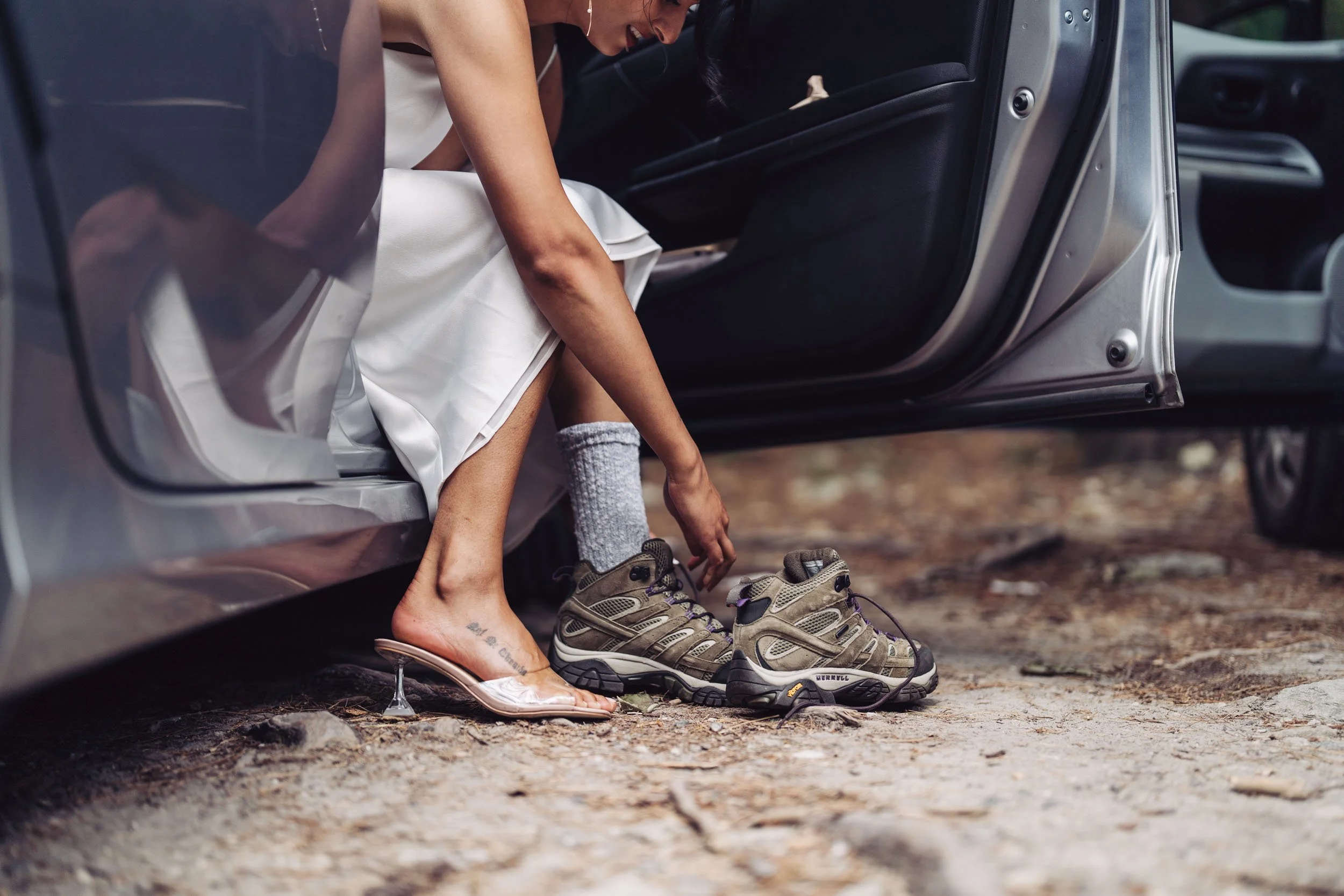
Bring practical layers, choose fabrics that move well, and plan for footwear that can handle the actual trail. Hiking in boots and changing at the overlook is completely normal.
Read the full mountain elopement attire guide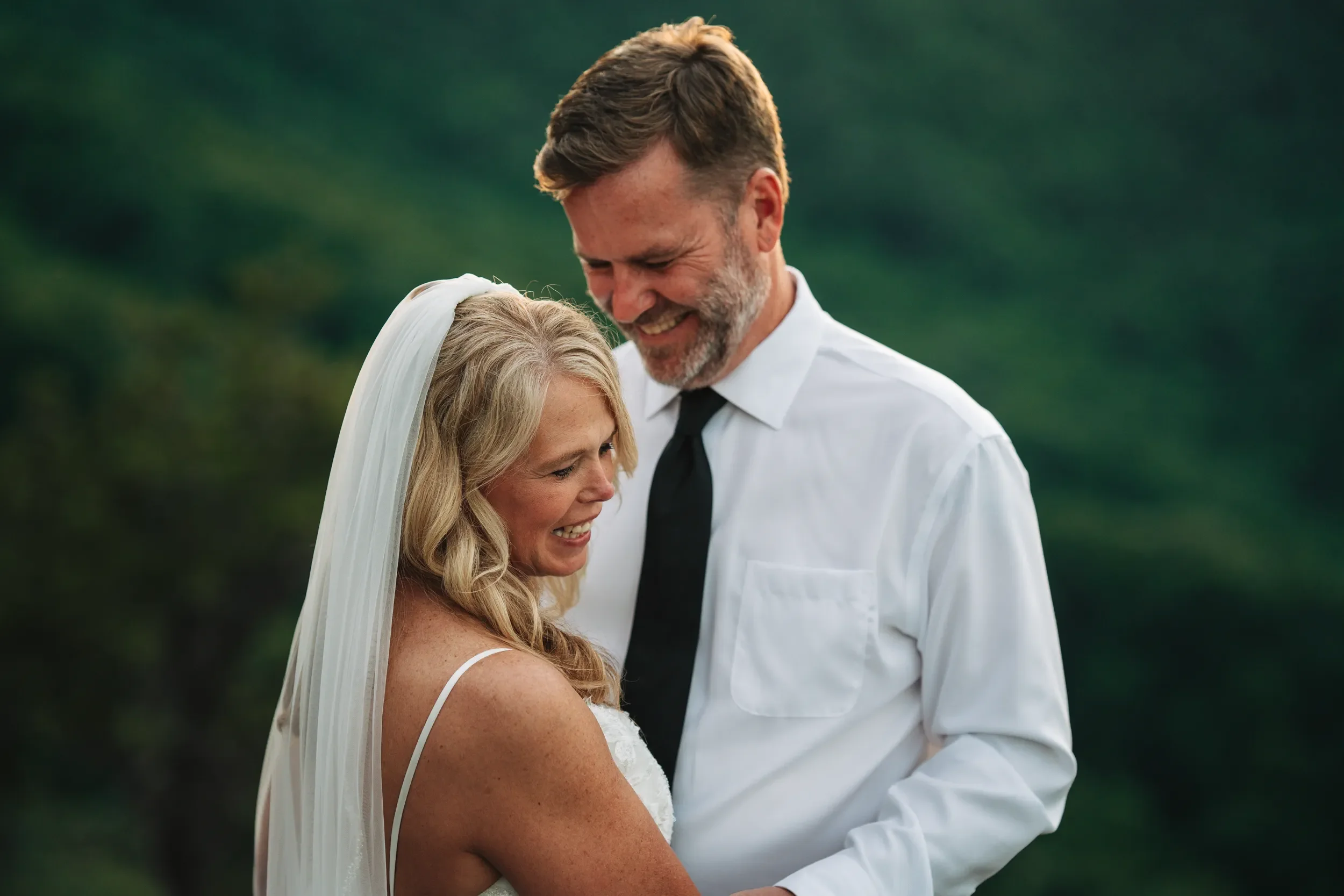
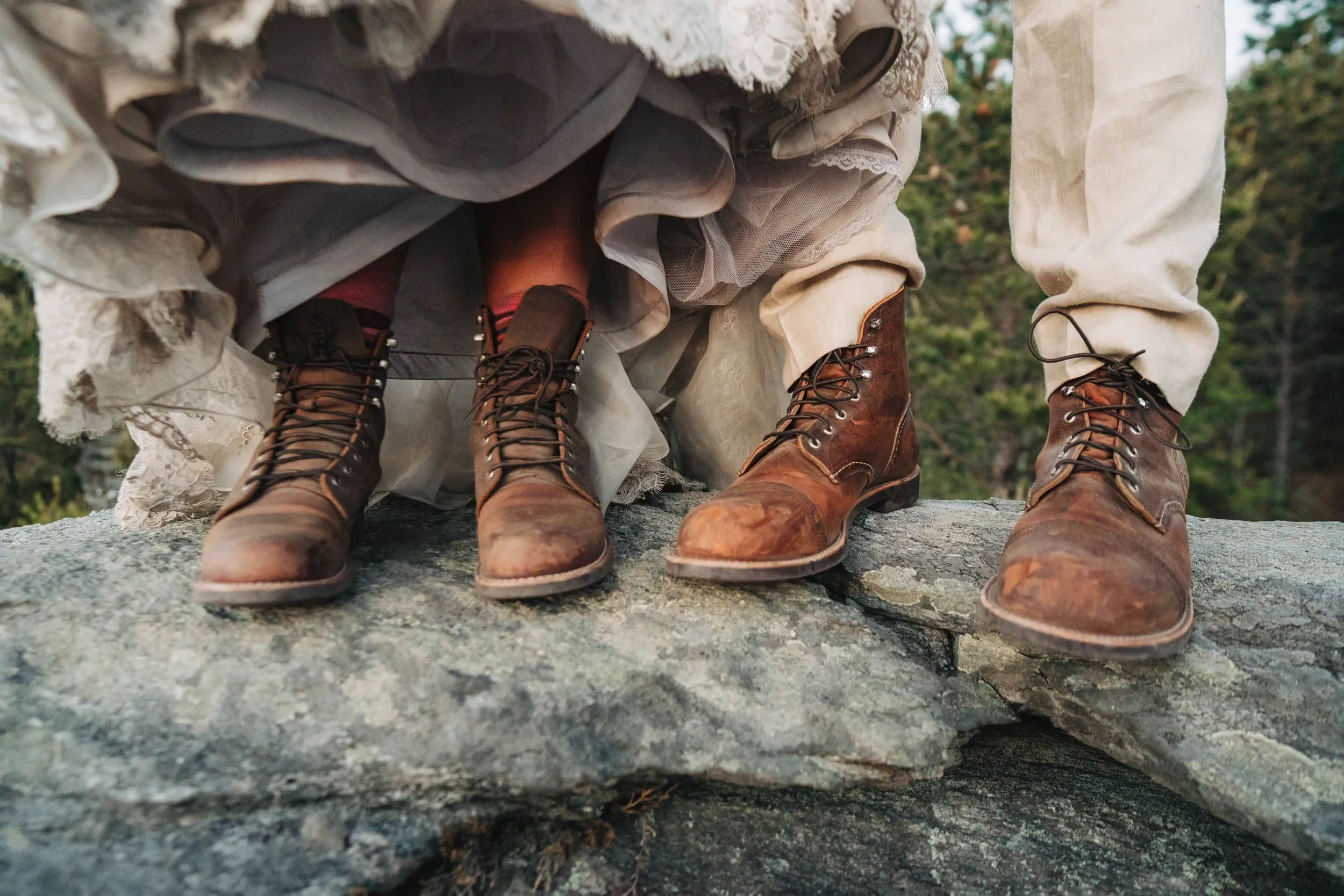
Make sure you can move
Test stairs, sitting, larger steps, and arm movement before deciding what you will wear outside.
Prepare for temperature changes
Elevation, wind, shade, and sunset can make the mountains feel much cooler than Asheville.
Choose traction over appearances
Trail shoes or boots are usually the safest option, even when you bring a second pair for the ceremony.
Footwear for the Trail
Hiking boots or dress shoes?
The right answer usually depends on the trail. For mud, roots, loose rock, steep grades, or wet ground, comfortable hiking boots or approach shoes are almost always worth it.
Choose a real trail sole
Look for grippy tread that feels secure on rocks, roots, and uneven ground rather than a smooth dress-shoe sole.
Break them in first
Wedding day is not the time to discover a blister, stiff ankle, or pressure point halfway up the trail.
Plan for damp ground
Water-resistant uppers and an extra pair of socks can make rain, mud, and stream crossings much less distracting.
Planning From Afar
You can make good decisions before you ever arrive
Most MountainWed couples are planning from outside Western North Carolina. A few simple tools can clarify what you like, what is realistic, and where local knowledge still matters.
Build a small moodboard
Save images that reflect the landscape, atmosphere, clothing, and pacing you like. Patterns are more useful than trying to recreate one exact photograph.
Compare drive times
Map your lodging, ceremony area, dinner plans, and any second location. Mountain mileage often takes longer than expected.
Use online tools as a starting point
Trail apps, satellite views, and recent reviews can help with scale, terrain, and access, but they rarely tell the whole story.
Confirm what has changed
Roads, permits, parking, closures, and trail conditions can shift. Check official sources and local information before finalizing plans.
Choosing Your Photographer
Find someone whose work—and approach—feels right
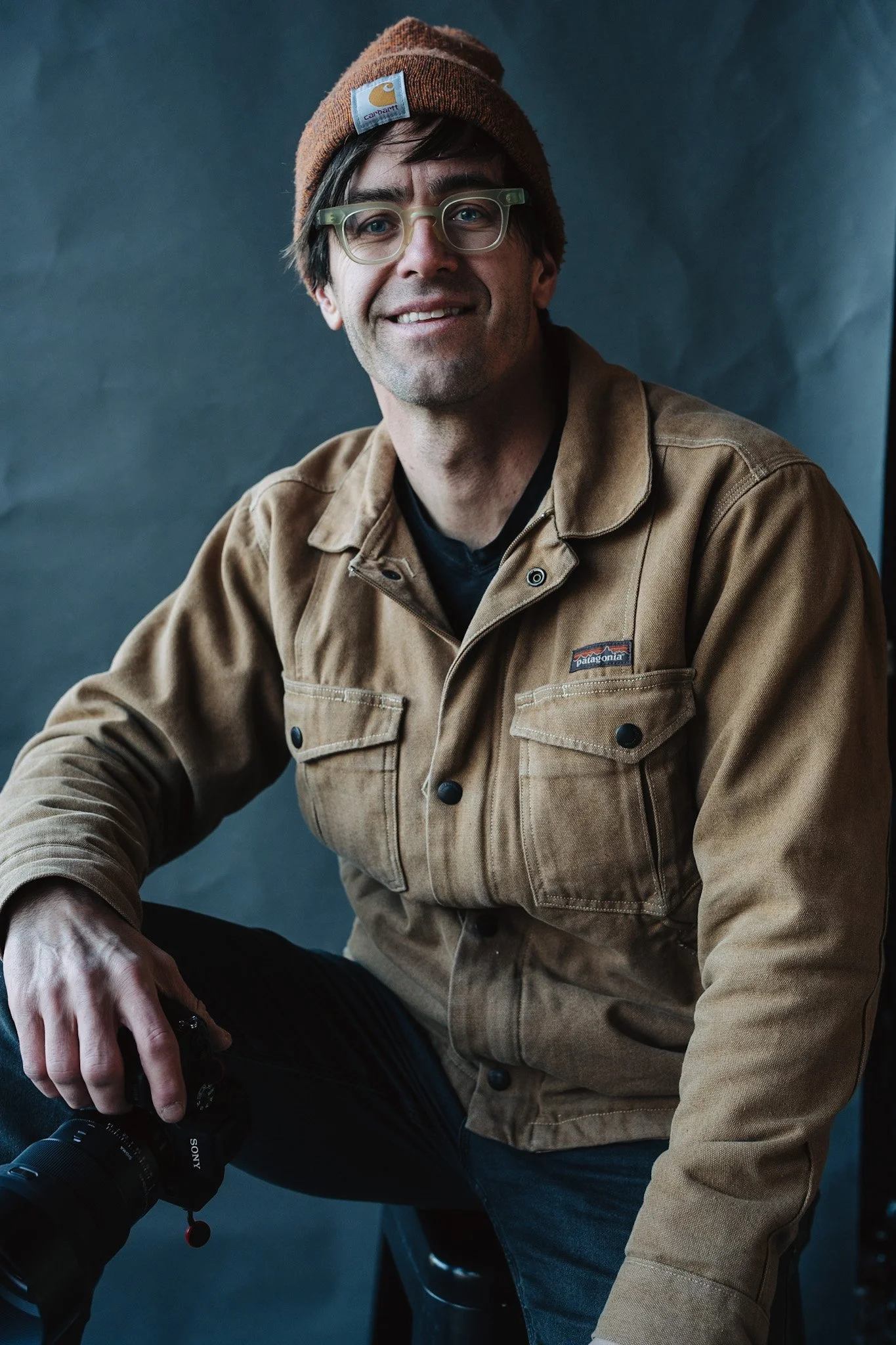
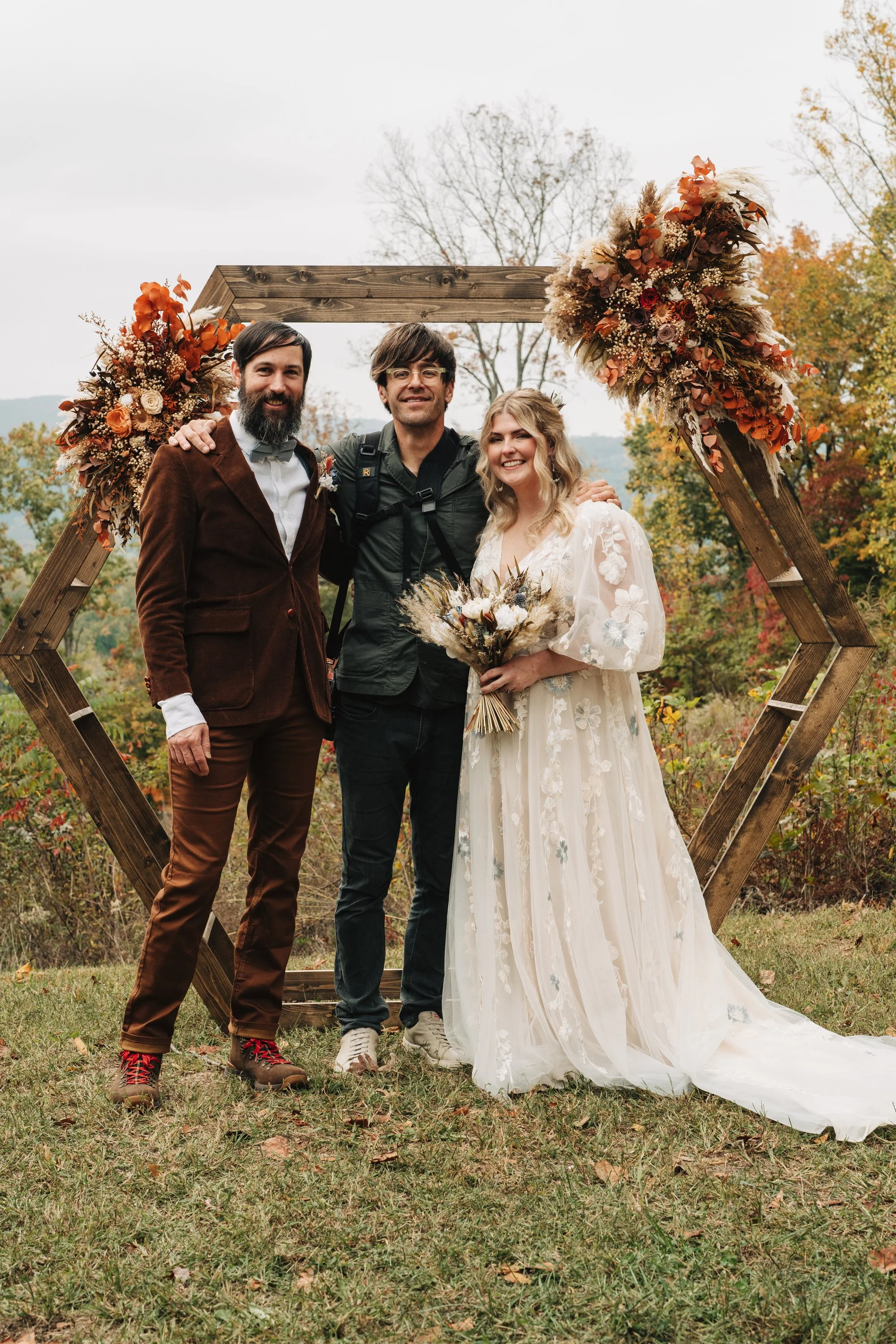
Whether you hire me or someone else, look beyond a few strong images on Instagram. Your photographer will be part of the planning and beside you for much of the wedding day.
You should genuinely like the photographs, trust the person’s experience, and feel comfortable talking through unfinished ideas with them.
Look through more than highlights
Review full stories and photographs made in different weather, locations, lighting, and parts of the day—not only a handful of favorite portfolio images.
Ask what planning help includes
Location guidance, timelines, permits, changing access, weather, guest logistics, and backup ideas are a meaningful part of an outdoor wedding.
Pay attention to the conversation
Do they listen, answer questions clearly, offer useful ideas, and make you feel comfortable? A planning call should feel helpful, not like a sales presentation.
Talk about weather and changes
Ask how they handle rain, unsafe conditions, road closures, timing changes, or a location that no longer works when the day arrives.
Asheville Elopement FAQ
A few final planning questions
The details will depend on your location, guest count, season, and the kind of experience you want to build.
Do we need a permit for an Asheville elopement?
It depends on the location and the agency managing the land. Some public ceremony sites require a permit, while others have separate rules for groups, events, or photography.
What is the best time of year to elope in Asheville?
There is no single best season. Spring is green and changeable, summer has longer days, fall is colorful and busy, and winter can be quieter with less predictable mountain access.
Can we bring guests to our mountain ceremony?
Usually, but the practical limit depends on the location, permit, parking, terrain, and the abilities of your guests. Smaller groups generally offer more flexibility on public land.
How far ahead should we start planning?
Starting several months ahead provides more options for lodging, permits, vendors, and popular seasons. A flexible weekday plan can often come together more quickly.
Can you help us choose a location and build the timeline?
Yes. I help MountainWed couples compare locations, understand access and permit considerations, build a realistic timeline, and prepare backup plans. You can start with whatever you know so far .
Start Planning Your Asheville Elopement
You don’t need to have the whole day figured out yet
Tell me what you know so far—maybe a season, a guest count, or a general idea of how you want the day to feel. I’ll help you work through locations, permits, timing, weather plans, and the next useful decision.

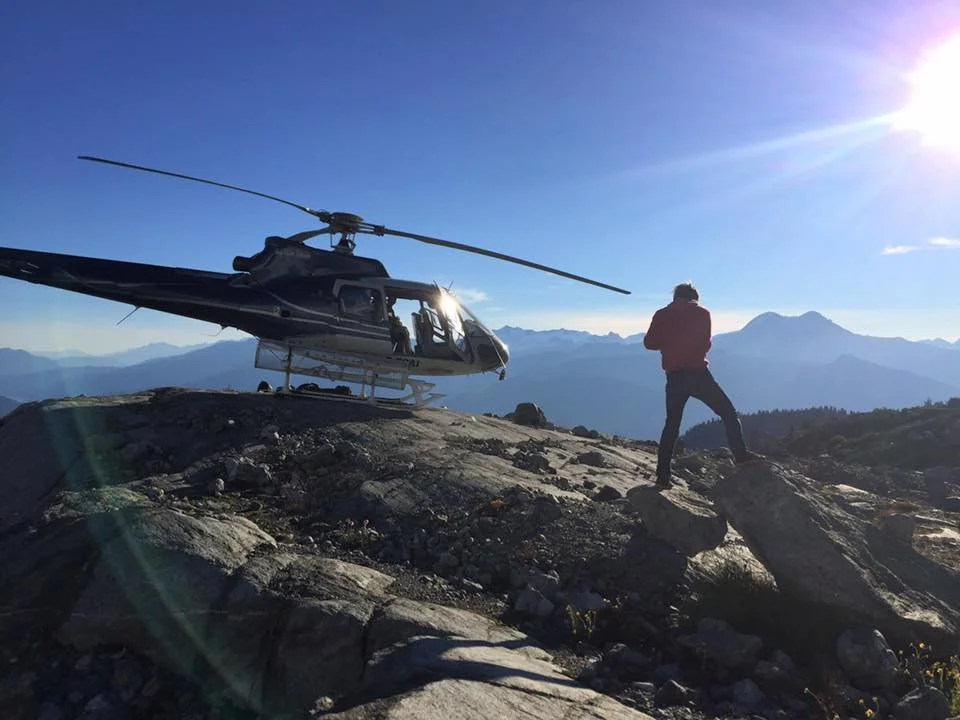
Based in Asheville and photographing elopements and small weddings throughout Western North Carolina and the Blue Ridge Mountains.