Ben + Julia’s Surprise Proposal on the Art Loeb Trail
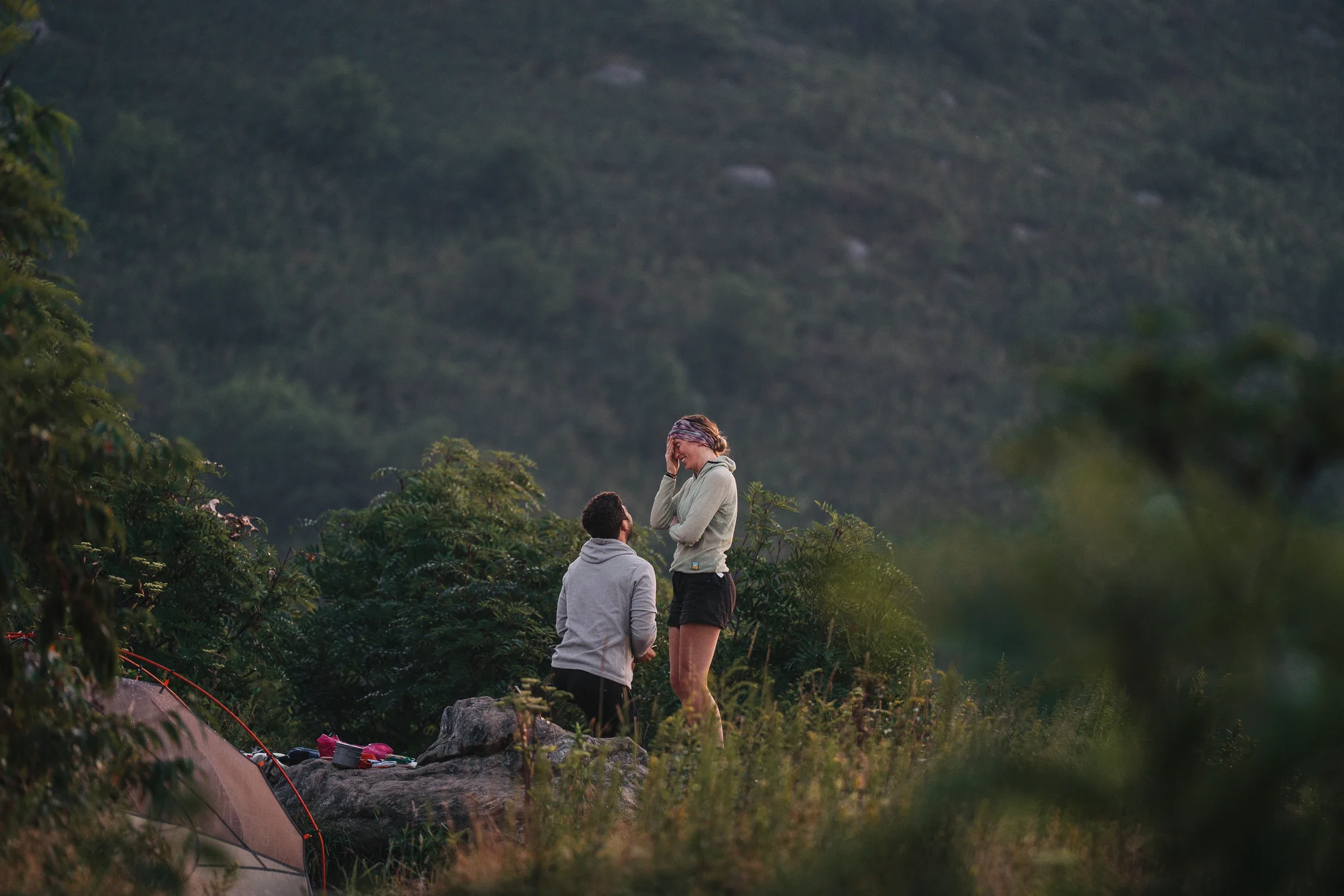
Art Loeb Trail Surprise Proposal
A 30-mile hike with a pretty big surprise built into it
Ben and Julia were hiking the entire 30.1-mile Art Loeb Trail from its southern terminus near Brevard to the Daniel Boone Boy Scout Camp in Haywood County — crossing high ridges and open balds with thousands of feet of climbing along the way.
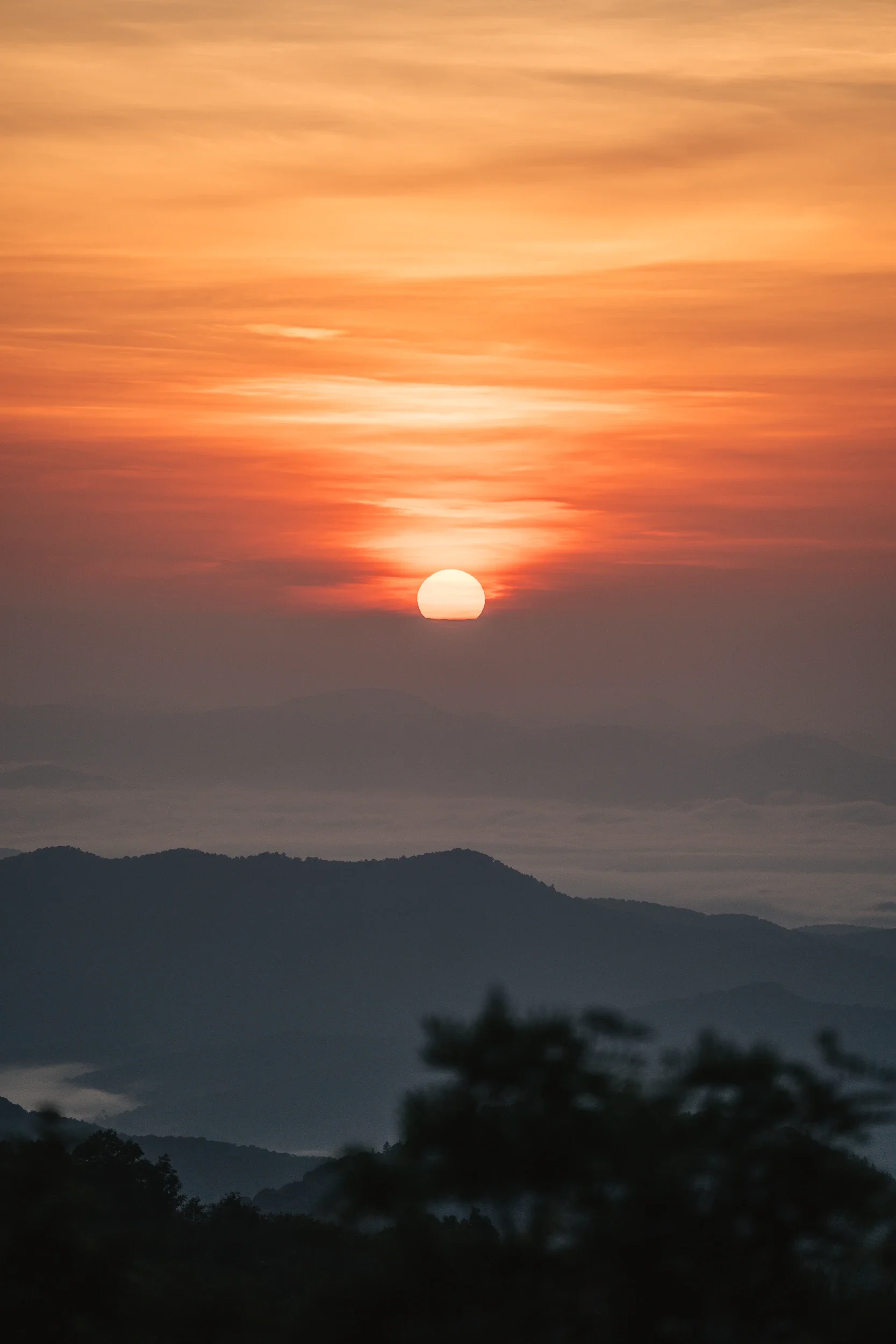
Julia knew about the hike.
She did not know Ben had arranged for me to be waiting near their campsite at sunrise with a camera.
The Art Loeb is a pretty serious hike on its own, with roughly 7,300 to 8,400 feet of total elevation gain depending on direction and how it’s measured. Ben and Julia were doing the whole route together, with their dog Birdie along for the adventure.
By the time they reached the Black Balsam Knob area, there was another logistical problem to solve: how to photograph the proposal clearly without putting me right on top of them and giving the whole thing away.
That part took a little more planning than simply picking a spot with a good view.
Scouting + Backup Plans
Finding a place where I could disappear
Our original plan was to photograph the proposal around Tennent Mountain, so I went out ahead of time to scout the terrain, look at the places they might camp, and figure out where I could realistically position myself without giving the whole thing away.
The more I looked at Tennent, the less convinced I was that it would work the way Ben wanted. The camping area is close to the summit, with the ground sloping away on pretty much every side. If Ben and Julia were up there at the same time as me, there just weren’t many places I could stand with a clear view of them without also being very obviously present.
I checked the camping options around Black Balsam Knob too. Logistically it was easier, but the spot we were considering didn’t face the best direction for the early morning light.
Scouting Notes
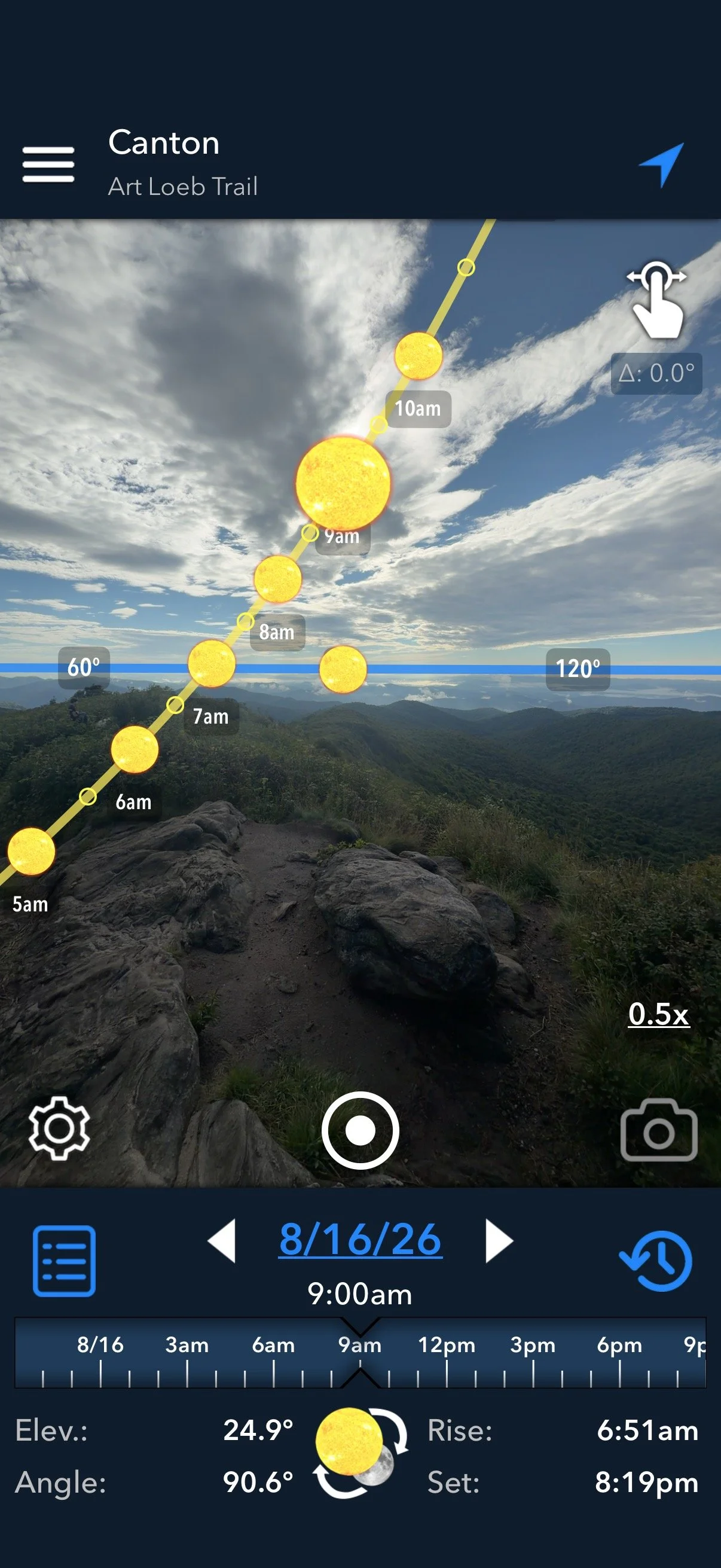
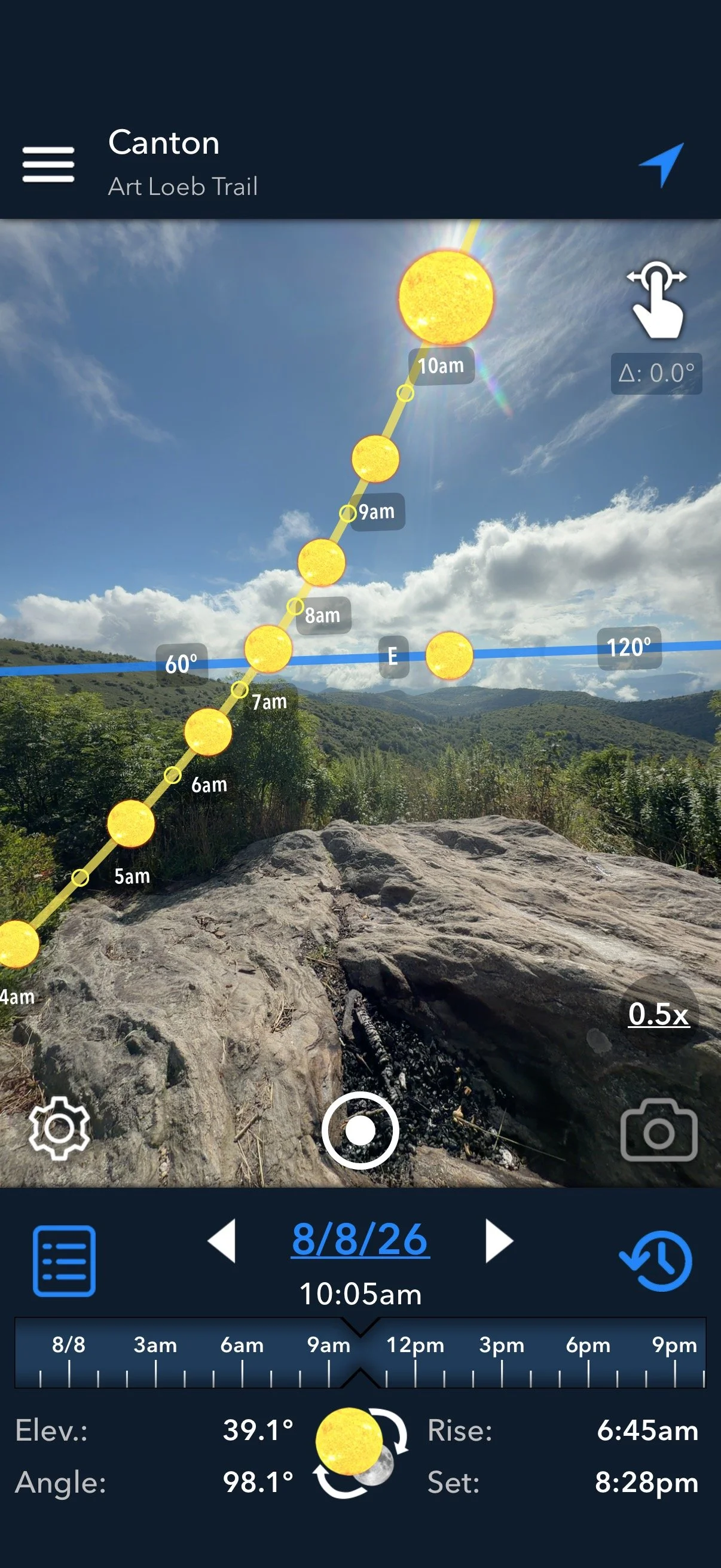
Ramona’s Point ended up solving several problems at once. It sits just far enough off the main trail to give a couple some breathing room, had a much better orientation toward sunrise, and gave me more options for photographing from a distance.
I checked the sun’s trajectory while scouting so I could get a better idea of where the light would come up relative to the campsite and where I might be able to position myself.
It also made finding some privacy at a popular mountain location more realistic — especially on a weekend at Black Balsam.
There was a practical bonus too. Ramona’s Point was easier for everyone to find and a little closer to the trailhead. For me, that meant shaving roughly 30 minutes off the original pre-sunrise hike toward Tennent — a pretty welcome change when most of that walk would have been by headlamp.
The only real unknown was whether the spot would actually be available for Ben and Julia to camp there. Fortunately, they were arriving the afternoon before the proposal, which gave us time to stay in touch and lock in the final location once Ben knew where they had landed.
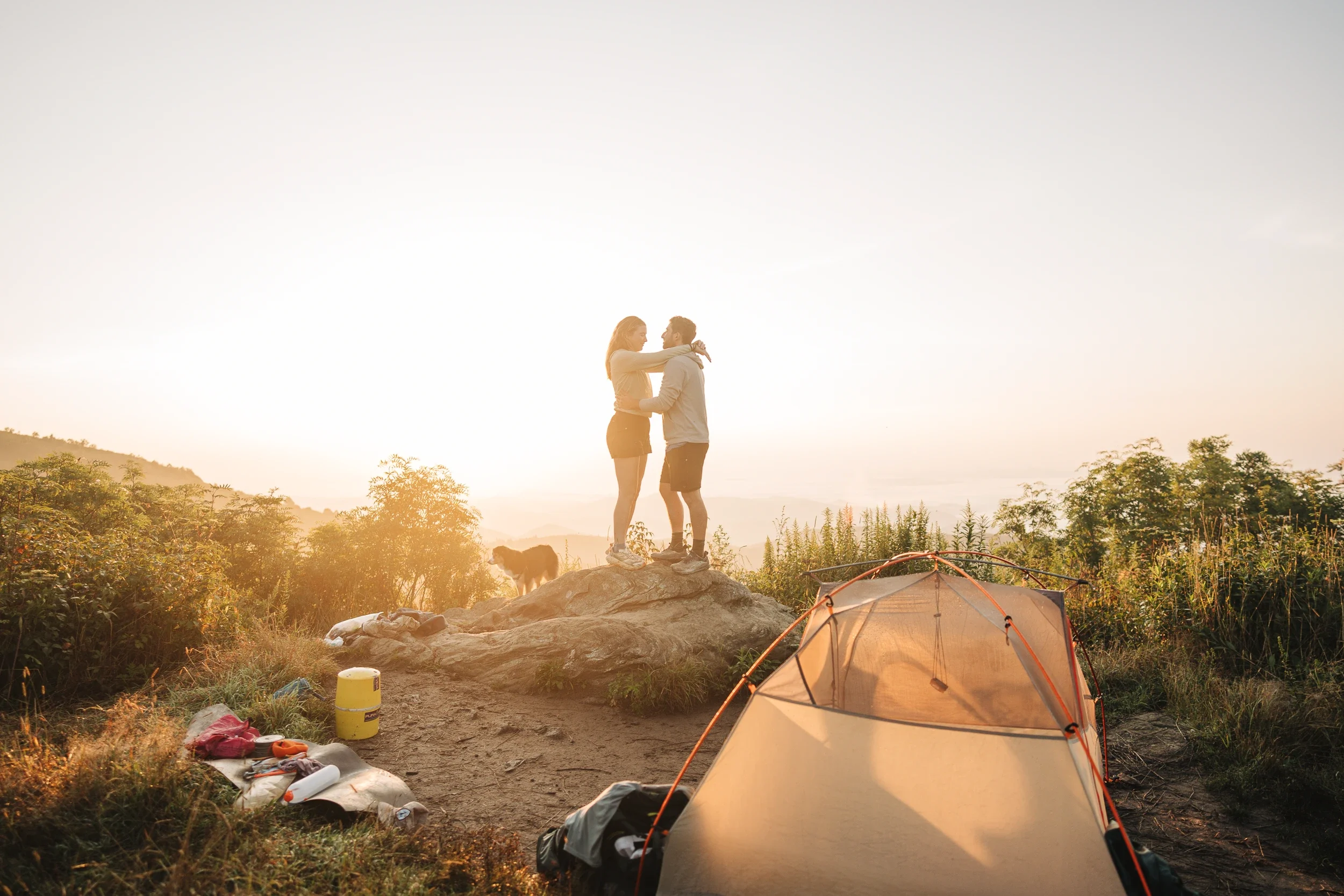
Thankfully, it worked. They were able to camp at Ramona’s Point, we confirmed the final plan the afternoon before, and all that was left was for me to get there early enough the next morning to look like I had absolutely nothing to do with them.
Proposal Morning
Trying to look like I wasn’t waiting for them
For the actual proposal, one of the biggest priorities was giving Ben and Julia some space. I needed a clear enough view to photograph the moment, but I really didn’t want to be standing right on top of them with a camera pointed in their direction.
I ended up renting a longer lens specifically for the morning — something I don’t normally use and don’t own myself. The extra reach meant I could stay farther away from camp and play the much more believable role of a landscape photographer waiting around for the early light.
That kind of behind-the-scenes planning is a big part of photographing a surprise mountain proposal. The photographs matter, obviously, but so does making sure the photographer doesn’t become part of the moment before it even happens.
I got to the trailhead around 6:00 a.m. and headed toward Ramona’s Point in the dark. The plan was to be in position about 15 minutes before sunrise, stay well back from their campsite, and wait for Ben to give me the signal that he was ready.
I expected to feel pretty conspicuous standing around that early with a big lens. Surprisingly, by about 6:30 there were already quite a few other people out for sunrise.
At a busy place like Black Balsam Knob, that actually worked in our favor. The more hikers and photographers who appeared, the less I looked like somebody secretly associated with Ben and Julia. I was just another person standing around in the mountains with a camera.
So I found my spot, tried not to pay too much attention to their campsite, and waited for Ben.
The Surprise
Then Ben gave me the signal
Eventually I could see Ben and Julia moving around camp with Birdie as the sun started coming up. I stayed back, kept pretending to be interested in the landscape, and waited for the cue we had talked about.
When Ben gave me the signal, I could finally stop pretending not to watch them.
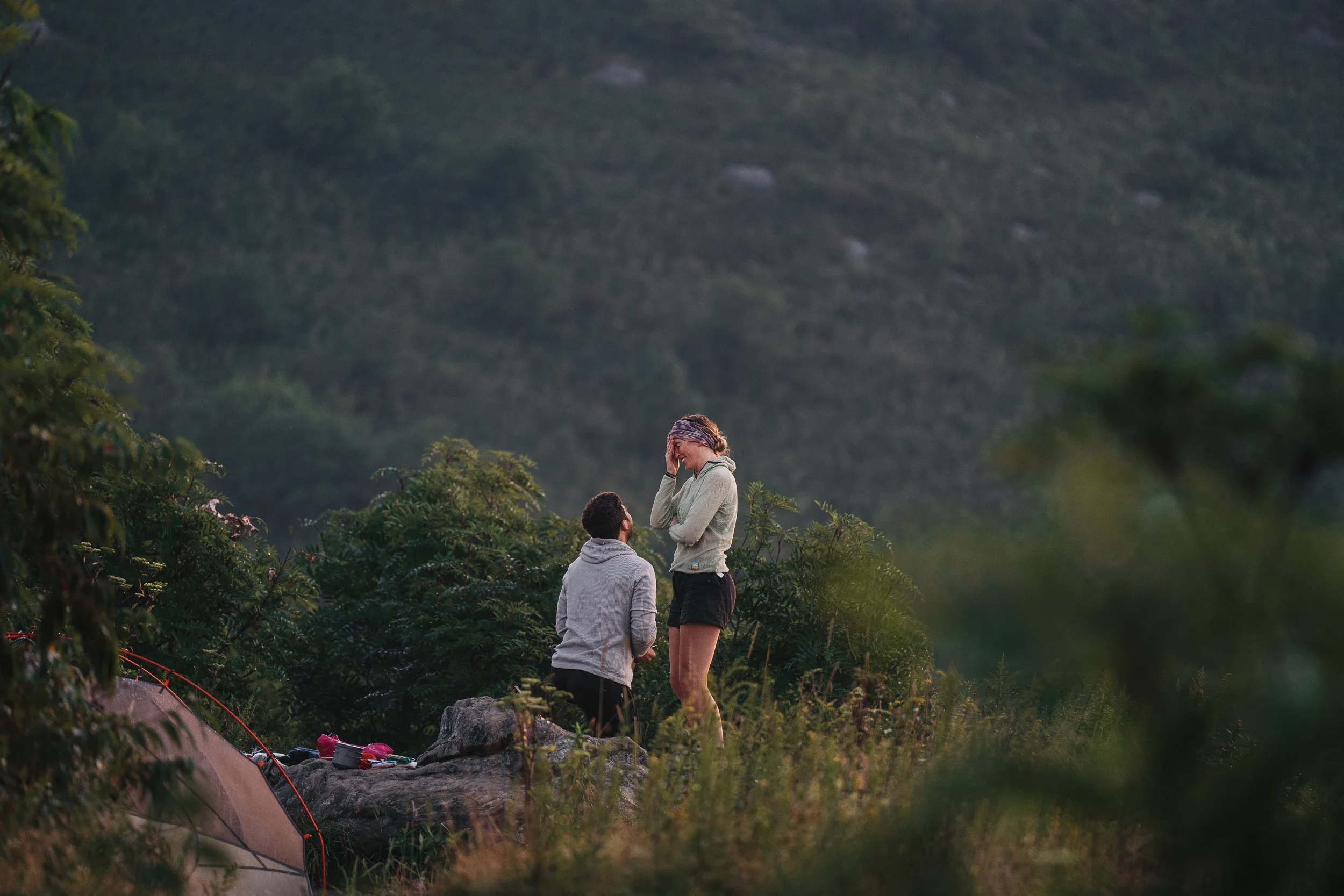
From where I was standing, they still had plenty of space around them. That was exactly what all the scouting, location changes and longer lens were meant to accomplish: I could photograph what was happening without the proposal suddenly feeling like a photo shoot.
And once Julia realized what Ben had been planning, I didn’t have to be invisible anymore.
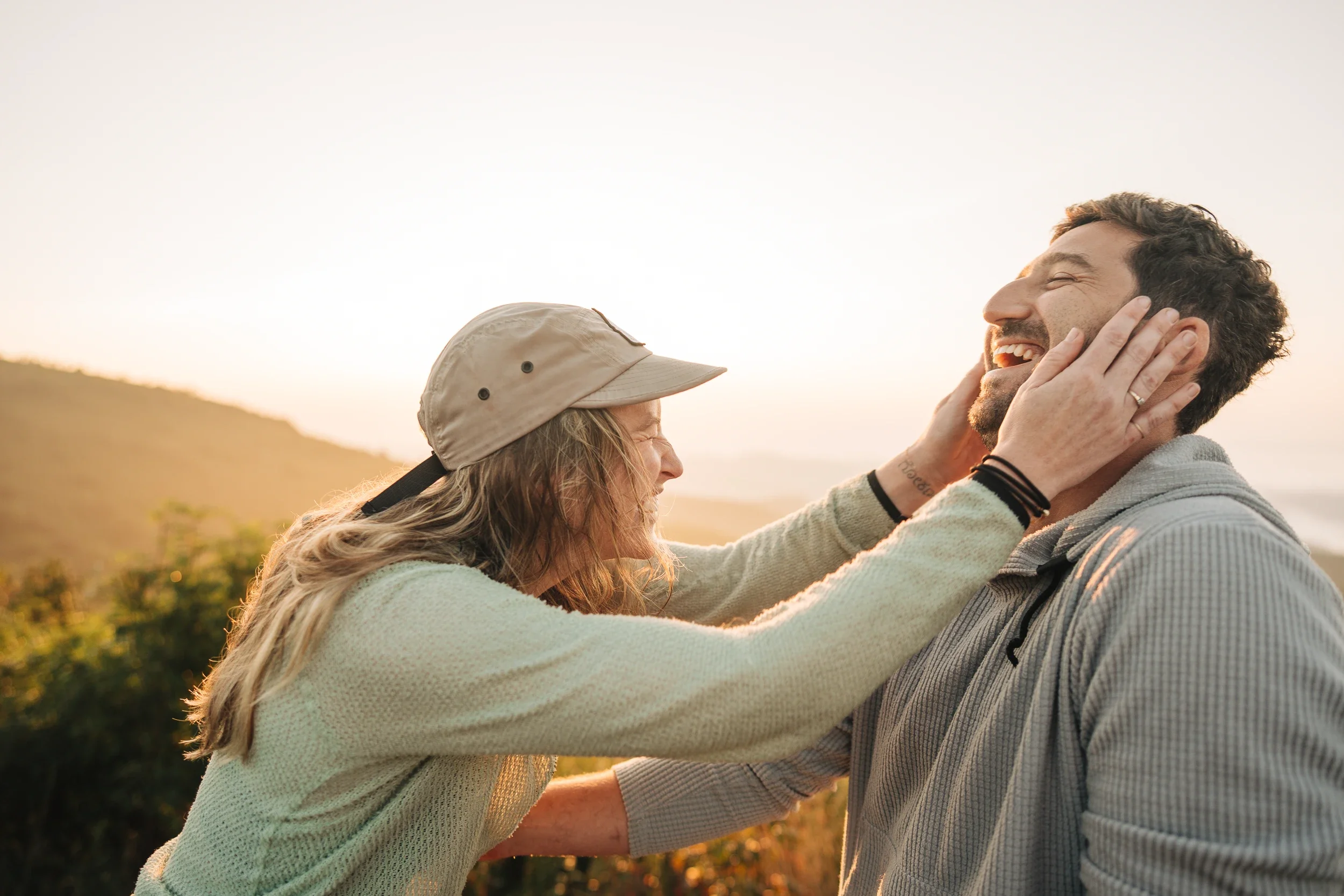
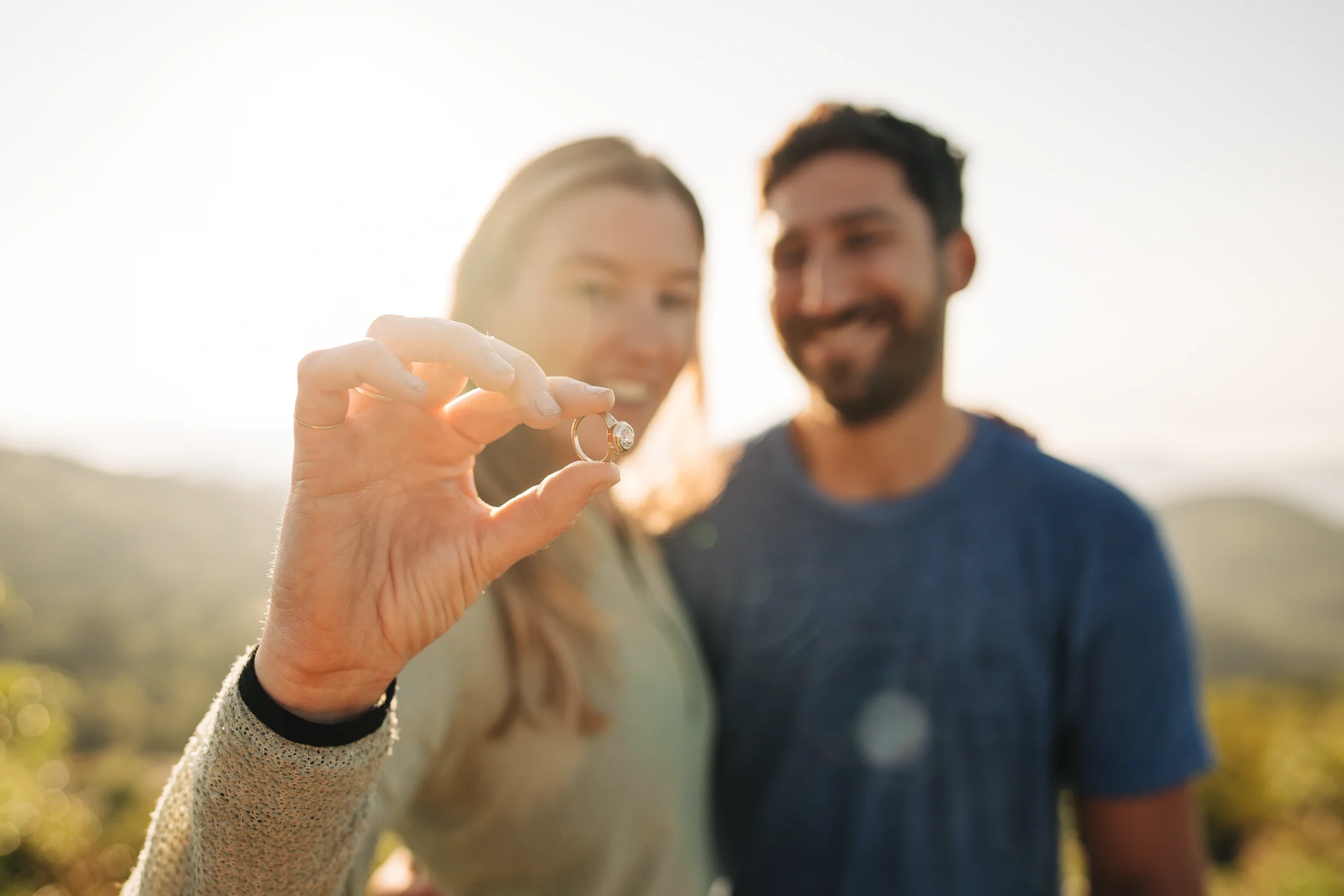
The best part was that nothing about the morning suddenly needed to become polished. They were still camping. They were still in hiking clothes. Birdie was still wandering around. And they still had a whole lot of trail ahead of them.
After the Yes
The photos didn’t need to look polished
Once Julia knew what was going on, the morning could loosen up completely. We didn’t need to turn their campsite into a polished engagement session or pretend they hadn’t already been hiking for miles.
They were in trail clothes, their tent was still up, gear was scattered around camp, Birdie was doing her thing, and the early light was getting better by the minute.
That fit the way I like to photograph people outside anyway. I’m much more interested in using what’s actually there — imperfect clothes, camping gear, wind, dirt and all — than trying to make an outdoor story suddenly feel overly cleaned up.
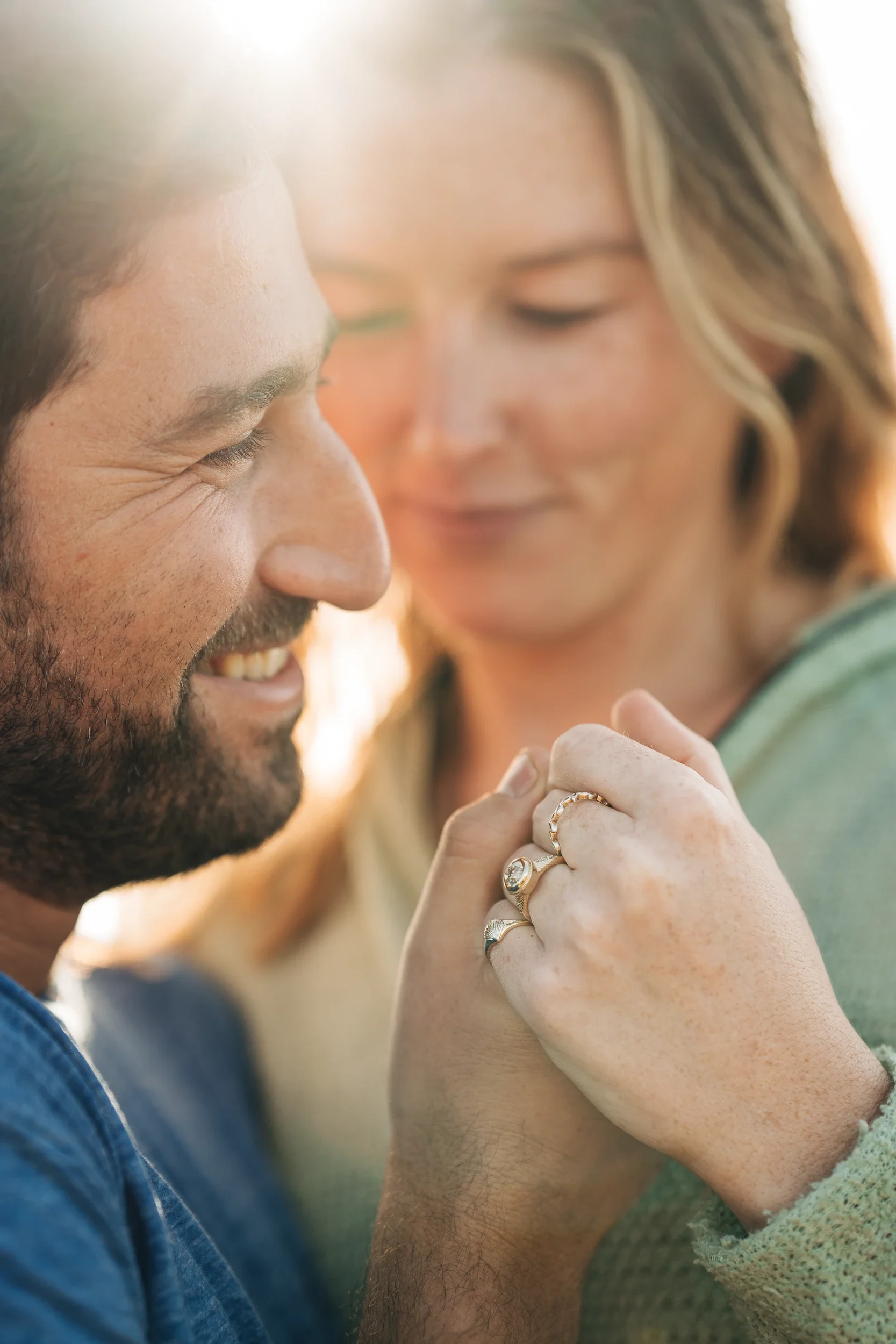
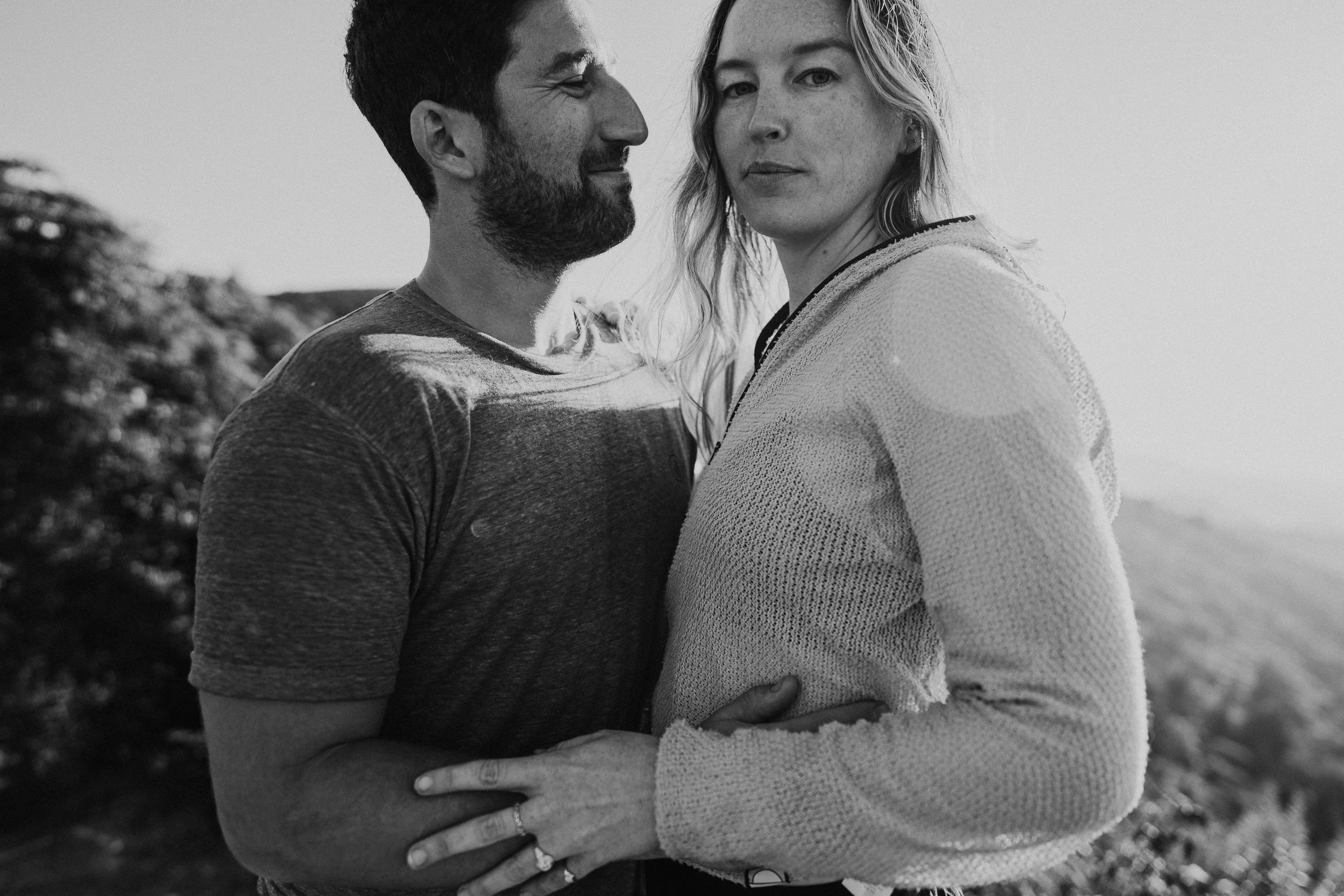
We made a mix of tighter portraits and wider photographs around camp, but I tried not to over-direct any of it. The whole reason the morning felt good was that they were still very much inside the experience they had already planned for themselves.
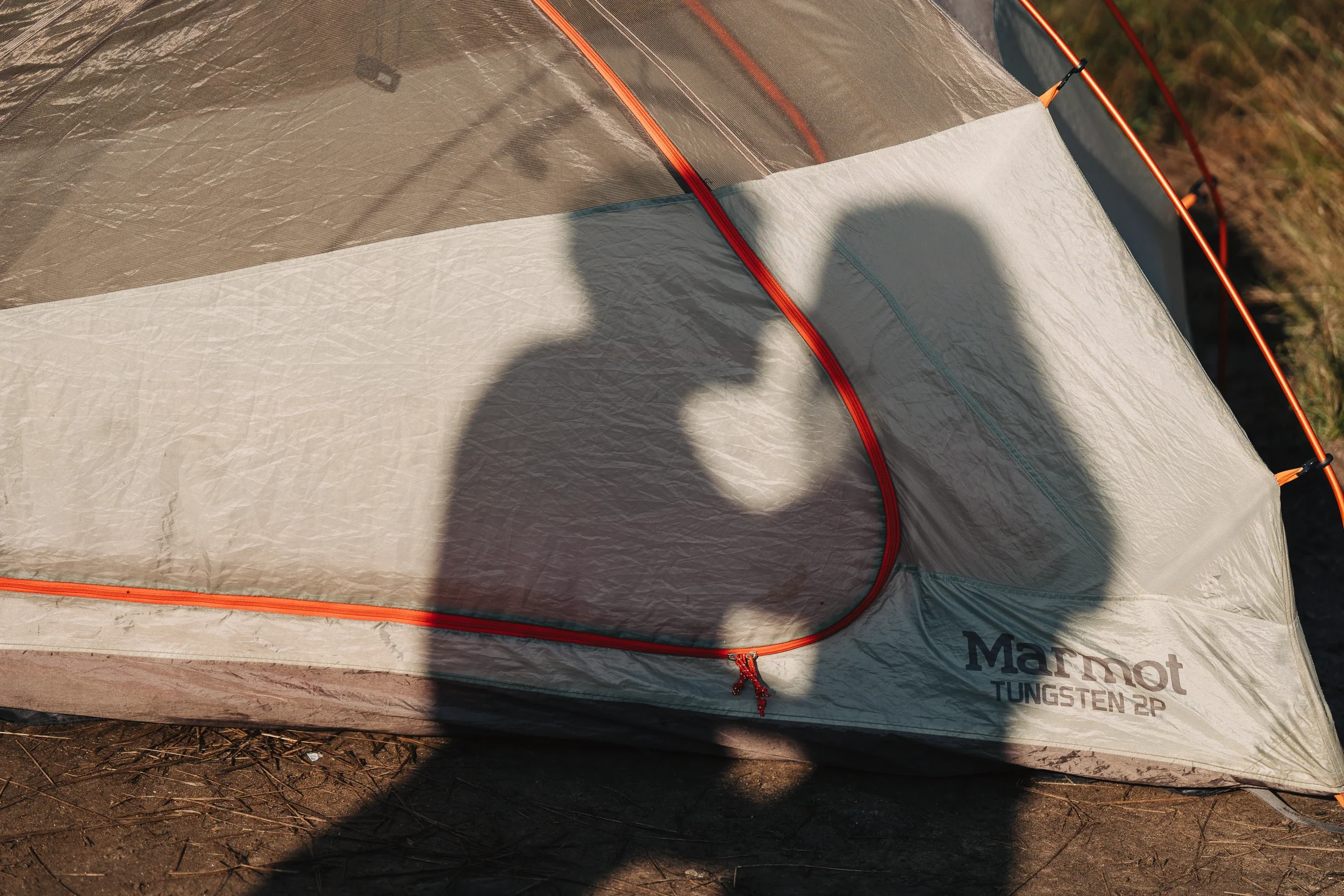
These ended up being some of my favorite photographs from the morning because they don’t really look like a traditional engagement session. They look like two people who got engaged in the middle of a backpacking trip.
Back to the Art Loeb
Engaged, but still in the middle of a thru-hike
We kept wandering around the area for a little while as the morning light came across the ridges. There was no real need to separate “proposal photos” from what they were already doing — the trail, their camp, Birdie and the landscape were all part of the same story.
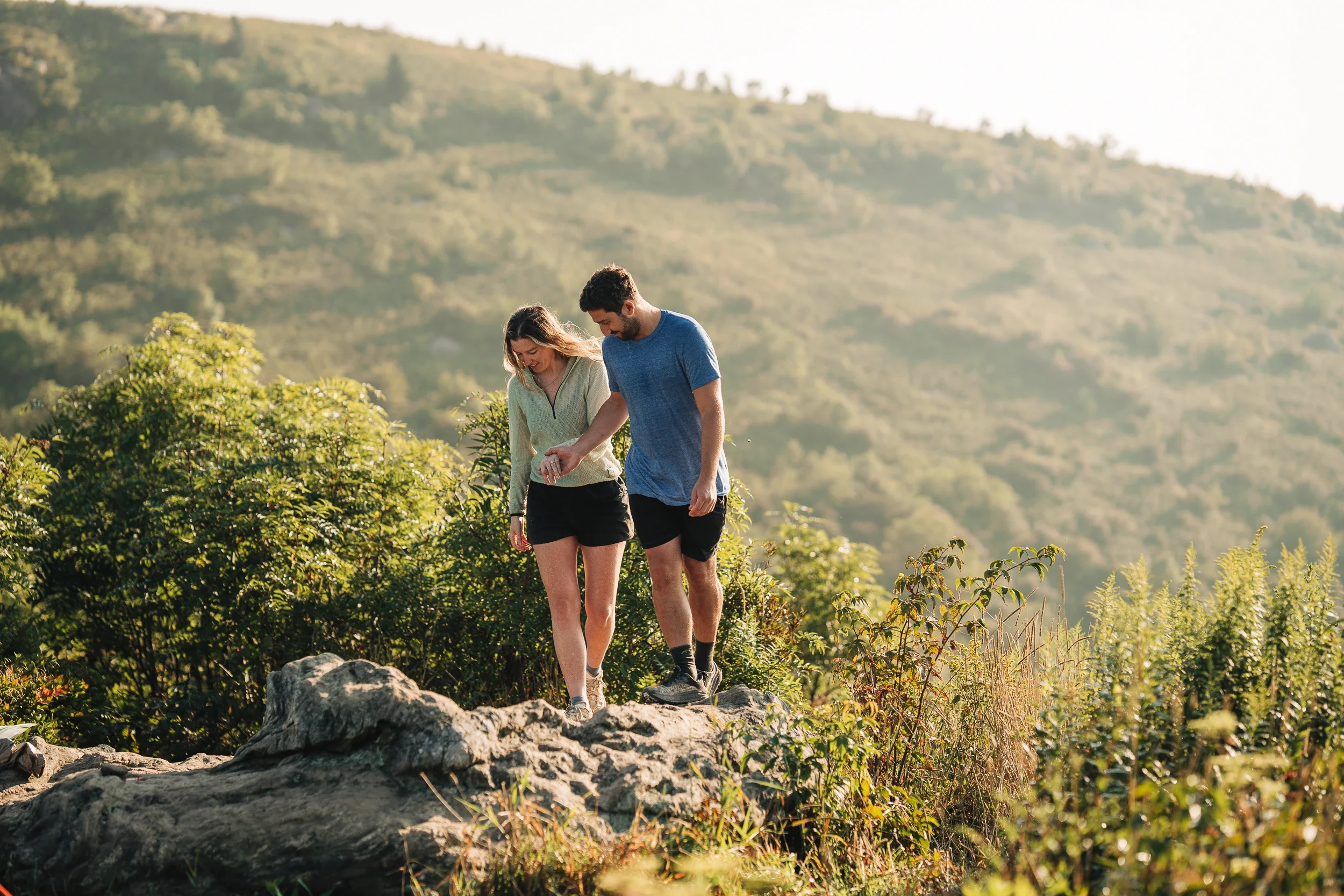
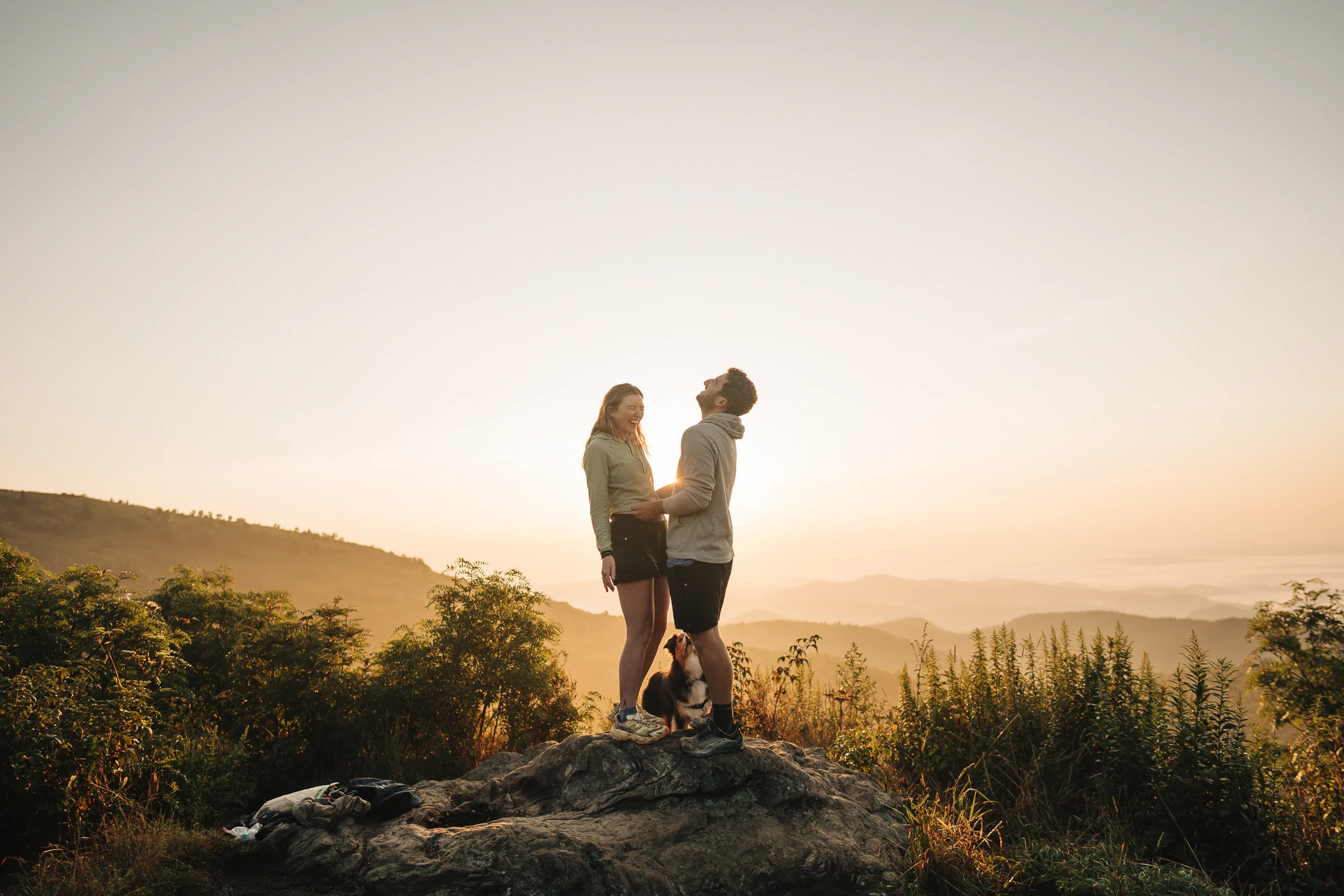
Julia is no stranger to long-distance hiking, and none of this suddenly changed the fact that Ben and Julia were still in the middle of a legitimate Art Loeb thru-hike.
I liked keeping that reality in the photographs. They weren’t dressed for an engagement session. They didn’t need to be. The hiking clothes, shoes, dog, morning haze and slightly rough-around-the-edges feeling were the whole point.
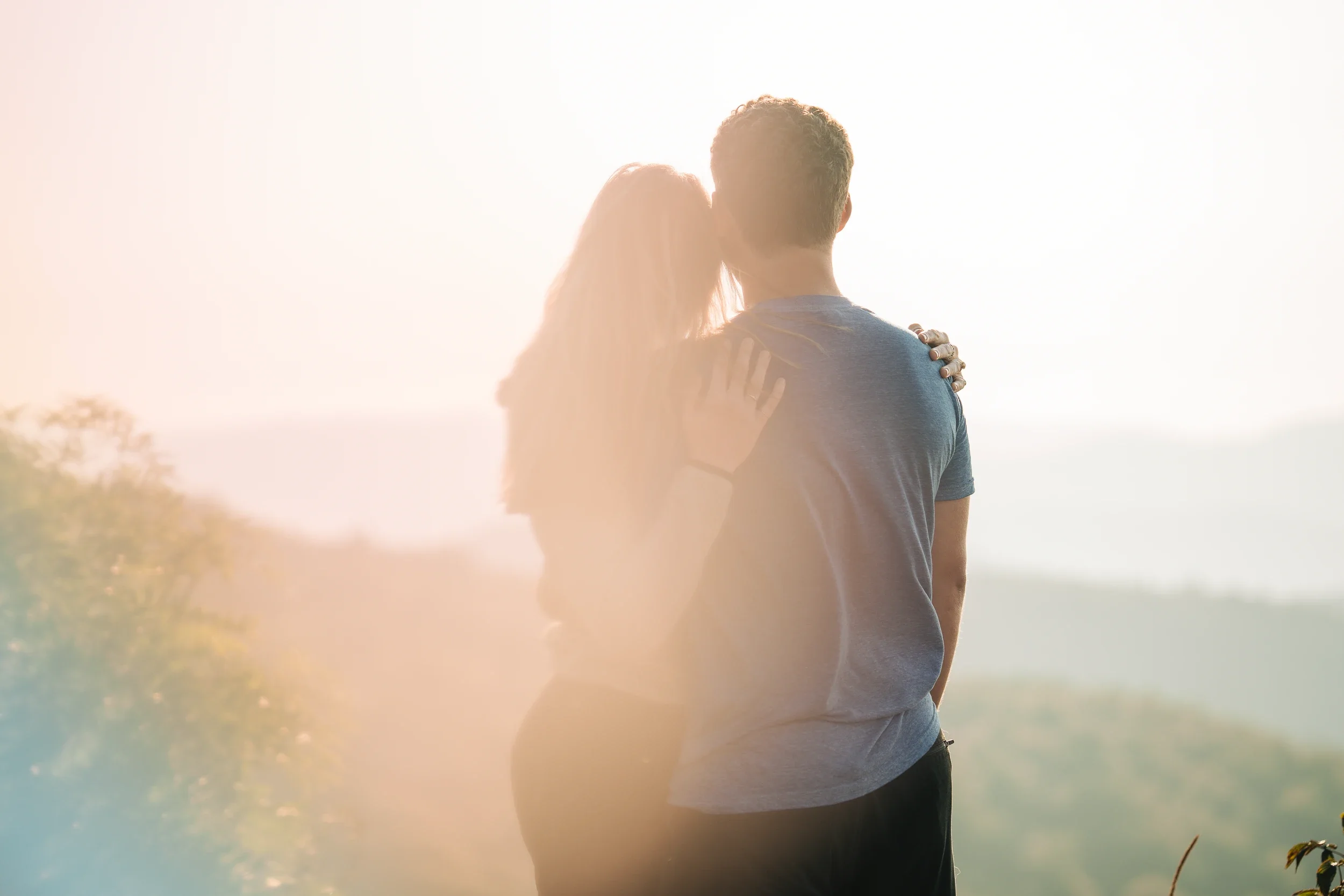
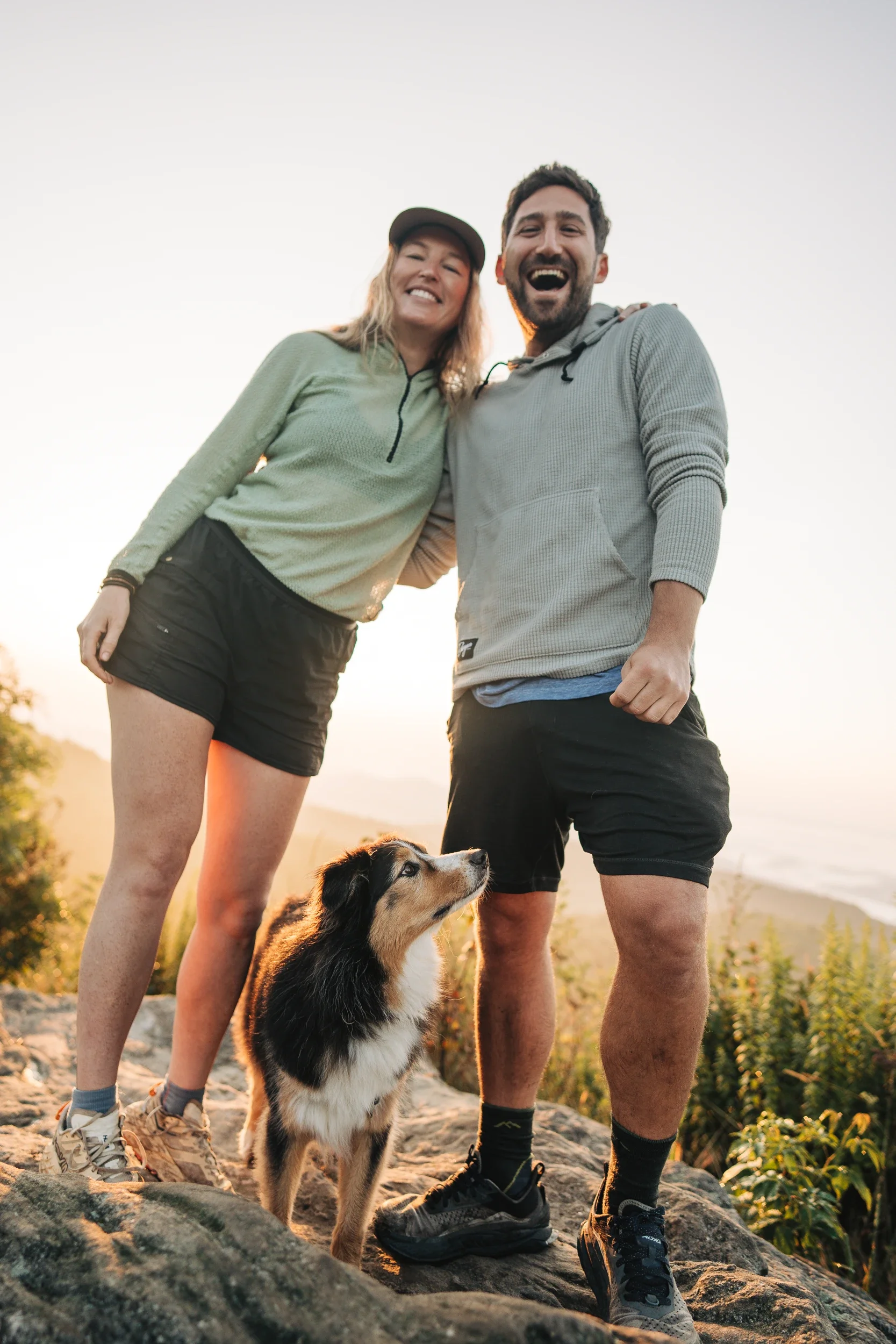
Eventually, though, the proposal part of the morning had to end. Ben and Julia still had camp to pack up and plenty of Art Loeb Trail left in front of them.
They started the morning as two people in the middle of a 30-mile hike and headed back down the trail engaged.
Surprise Mountain Proposal FAQ
A few things that make the surprise easier
The mountain part can stay pretty simple. The secret part usually benefits from a little more planning.
How do you photograph a surprise proposal without giving it away?
Distance and communication help a lot. For Ben and Julia, I scouted the location ahead of time, rented a longer lens so I could stay farther away, and worked out a simple signal with Ben for when he was ready. The goal with planning a surprise proposal is for me to be able to document the moment without becoming part of it before I need to.
What makes a good mountain proposal location?
The prettiest overlook isn’t always the best answer. I’m also thinking about privacy, sunrise or sunset direction, sight lines, how easily I can stay hidden, how crowded the area may be, and whether there’s somewhere to pivot if the first plan doesn’t work. That’s exactly why Ramona’s Point ended up making more sense than our original Tennent Mountain idea.
What happens if the original proposal plan changes?
That’s pretty normal in the mountains. In this case, the location changed after scouting, and we still didn’t know for certain where Ben and Julia would camp until the afternoon before. Having a backup and staying in touch gave us enough flexibility to make a better plan instead of forcing the original one.
Do we need to dress up for proposal photos?
Definitely not. Ben and Julia were in the middle of a 30-mile backpacking trip, and I think the hiking clothes, campsite, gear and slightly gritty feel are a big part of why I like these photographs so much. The photos should make sense for what you’re actually doing together.
Can our dog be part of a mountain proposal?
When the location and trail allow it, absolutely. Birdie was already part of Ben and Julia’s Art Loeb trip, so there was no reason to separate her from the proposal or the portraits afterward. She was just part of the morning.
Planning a Surprise Proposal?
Keep the surprise. Plan the logistics.
If you have a mountain, trail, overlook or adventure in mind, I can help figure out the timing, exact spot, photographer positioning and backup plan so the moment itself can still feel completely yours.
Plan a Proposal